Emergency Vehicle Decontamination: Costs & Insurance
Decision-focused information about emergency vehicle decontamination scope variables, estimate comparison, documentation, and policy questions. Coverage depends on the triggering peril, policy language, limits, exclusions, deductible, and carrier review.
Cost and insurance posts break down what goes into cleaning an emergency vehicle and who usually pays. Articles explain what shapes a vendor's price. That includes how bad the mess is, replacing cot mattresses and straps, special cleaning of electronics or air vents, and after-hours calls. Other posts help agencies compare bids and weigh the cost of lost service time when a unit sits idle. They explain when the money should come from a fleet insurance policy, a workers' comp claim, or an agency budget line. You will also find tips on reading service agreements for hidden minimum charges.
Get an email reply about emergency vehicle decontamination
Send a short message to the follow-up inbox. A coordinator can reply by email. This form does not send emergency help; call 911 first if anyone is in danger.
Budget planning matters because dirty units happen again and again. They are not a rare surprise, especially for busy EMS systems. Knowing what drives costs helps leaders set aside money for supplies, new soft items, and outside services. It also helps them decide whether to build in-house skills or hire out the work. Clear, itemized bills make it easier to answer questions from boards, city finance offices, or insurers after a major incident. Tracking cleaning costs over time can also show whether easier-to-clean interiors or better-stocked bays would cut outside costs in later budgets.
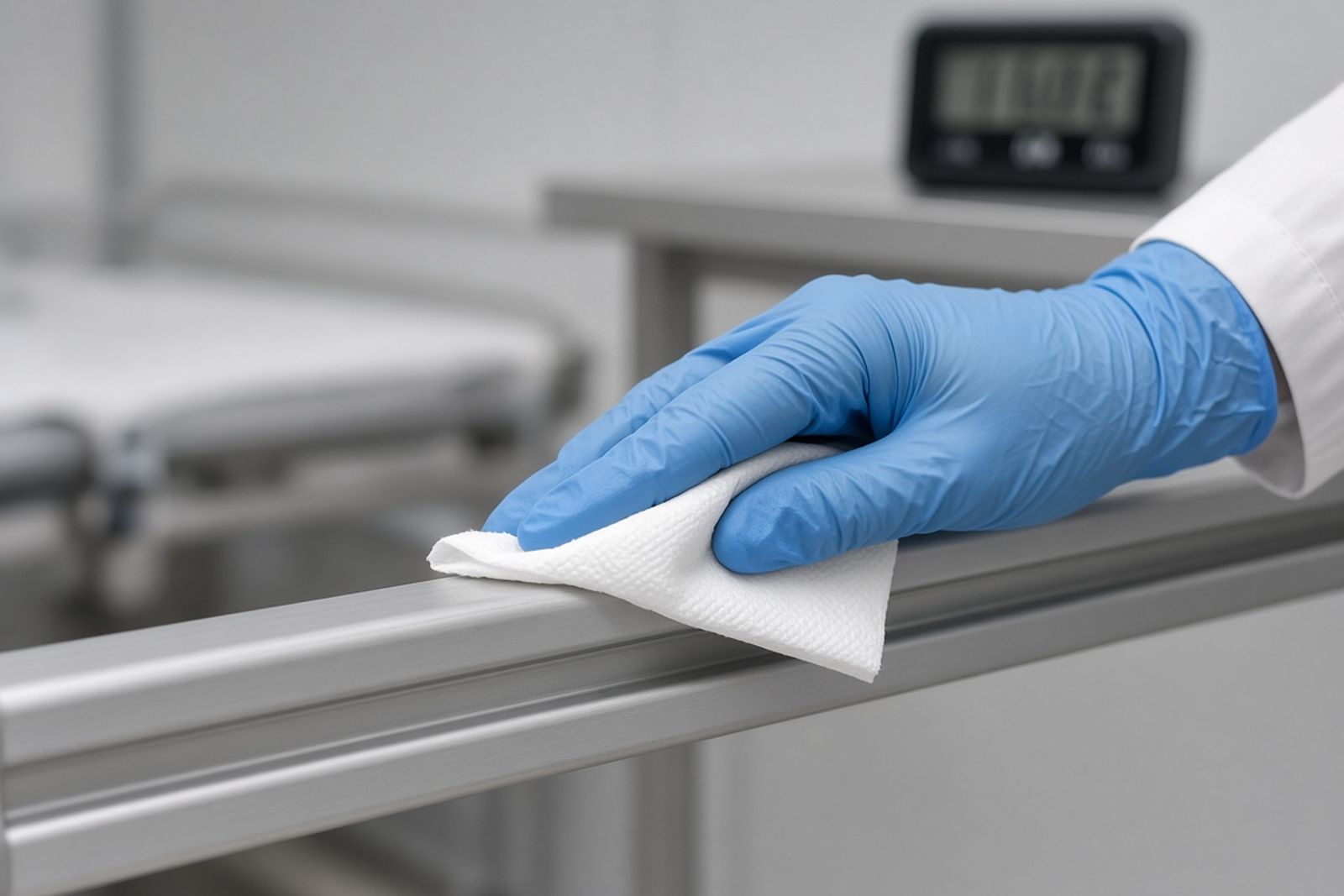
What Drives Emergency Vehicle Decontamination Cost?
Out-of-service time, soft goods, compartment design, and exposure type shape what a terminal decon costs your fleet. See what to weigh before you budget.
Emergency vehicle decontamination cost depends on the exposure type, how much of the patient compartment was affected, which soft goods and equipment must be replaced rather than cleaned, the disinfectant's contact time, the vehicle's layout, and how long the unit is out of service. For fleets, lost availability often matters as much as the invoice. Budget for routine terminal cleans, exposure-driven cleans, and soft-goods replacement separately.
Does Homeowners Insurance Cover Emergency Vehicle Decontamination?
Ambulances, fire engines and patrol cars sit on fleet and city coverage, not homeowners policies. See where cleanup costs usually land and when that changes.
No, in almost every case. Ambulances, fire trucks and patrol cars belong to agencies or companies. Their cleanup costs after contamination are handled through business auto coverage, city or county risk pools, self-insurance or the operating budget. Homeowners policies usually exclude motor vehicles. The gray areas involve volunteers' own cars used on calls. Those fall under personal auto policies and department payback rules, not homeowners coverage.
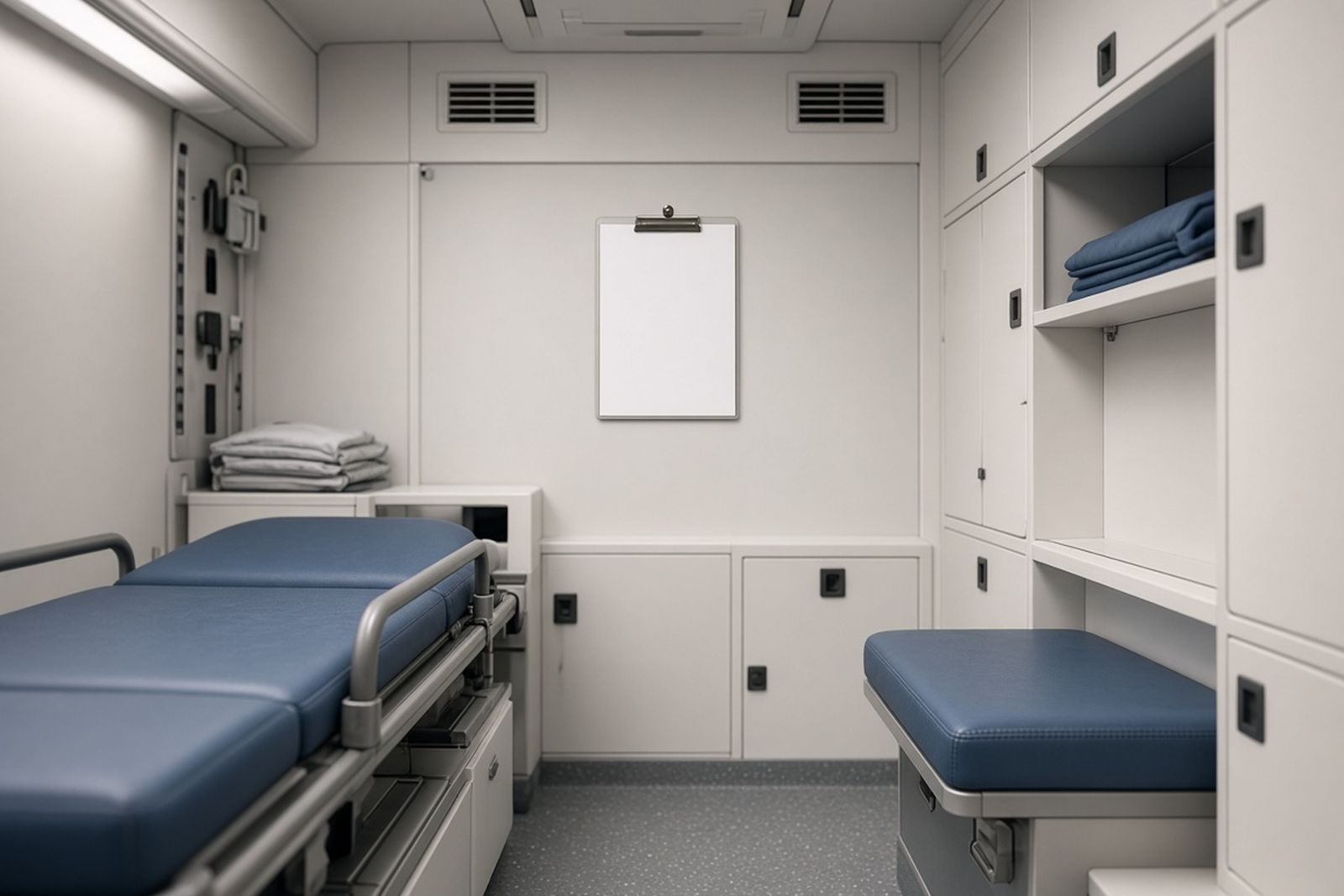
How to Compare Low and High Emergency Vehicle Decontamination Bids
Two decon bids for the same ambulance or patrol car can differ widely. Learn how to line up scope, contact time, soft goods, turnaround, and records fairly.
Compare emergency vehicle decon bids by normalizing scope before looking at price. Check whether each covers the full compartment, portable equipment, and soft goods; which registered products and contact times are used; how sharps and waste are handled; realistic out-of-service time; and what records you receive. A low bid often omits steps. A high bid should explain what extra work it includes.
Sourced figures on costs & insurance
- $16,550
OSHA's maximum penalties are $16,550 per serious violation and $165,514 per willful or repeated violation.
Read with care: Amounts adjust annually for inflation.
Source: OSHA (2024)United States federal OSHA, 2024 inflation-adjusted amounts
- 10 working days
Employers must offer the hepatitis B vaccine within 10 working days of assigning an employee to a job with occupational blood exposure.
Read with care: Employees may decline; the vaccine must be at no cost.
Source: OSHA (2024)United States employers with occupationally exposed employees
- 180 days
Facilities generating more than 100 kg but less than 1,000 kg of hazardous waste per month are Small Quantity Generators and may store it up to 180 days.
Read with care: Limit extends to 270 days when the disposal facility is over 200 miles away.
Source: EPA (2024)United States, RCRA generators
These figures are public research and agency data, not this network's own job records. Keep each number with its population, year and limits; none of them predicts cost, timing or outcome at a specific property.
What research has found
Findings from published studies of people and properties in situations like this one. They describe what researchers observed in a specific group; they are not predictions for your case.
Detected pathogens included MRSA, resistant coagulase-negative staphylococci and Klebsiella pneumoniae.
Cleaning practices varied and were not consistently standardised.
Costs & Insurance: common questions
Will fleet insurance pay to clean an ambulance after a crash?
Coverage depends on the policy wording, the cause of the mess, and whether the vehicle was damaged. Some policies treat cleaning as part of a crash repair. Others leave it out. Contact your broker and share the vendor's itemized scope of work. Ask how the claim should be recorded before work begins.
Why do quotes for the same unit vary between providers?
Vendors may assume different amounts of mess. Some include new soft items and some leave them out. They may also price after-hours calls differently. Some add checks of air vents or the inside of equipment. Ask each bidder to list labor, supplies, replacements, and waste handling. Then you can compare the jobs on equal terms.
Does it cost less to do the cleaning in-house?
Crews with the right training and supplies often do routine and moderate cleaning. Outside vendors may make more sense for heavy messes, special equipment, or when staff are stretched thin. When you compare options, think about training time, supply storage, waste setup, and lost service time. Look at the choice again from time to time.
Should we keep a reserve fund for unexpected decon events?
Many agencies find it helps to set aside some money for heavy cleaning events, new soft items, and hired cleans. These costs do not fit neatly into routine budgets. Your finance office can tell you whether a backup budget line is allowed. Use your own records of past events to size it. That makes the request easier to defend.
What records help if a cleaning cost is questioned later?
Keep these together in one file: the cleaning record, before-and-after photos, and the vendor's itemized bill. Add product and contact time details, records of replaced items, and waste disposal receipts. Link the file to the incident or exposure report number. A full package answers most questions from finance staff, risk managers, or auditors. Then no one has to piece events together from memory months later.
Do new soft items count as upkeep or infection control spending?
Agencies sort them differently. Some treat new mattresses, straps, and cushions as fleet upkeep. Others list them as infection control or medical supplies. What matters most is doing it the same way every time. Then you can track the costs over time and see which units or stations use the most. Ask your finance office how it wants the items coded. Use that rule at every station.
How can we reduce the cost of heavy decon events without cutting corners?
Stock spare soft items you often need and stick to a set list of products. Keep units in good repair so fluids cannot get through cracked covers or seals. Agree on clear pricing with a vendor ahead of time, instead of calling someone new in an emergency. Train crews to contain the mess early. Track events to find repeat causes you can prevent.
Related community polls
Every count is a real visitor vote; nothing is seeded or padded. One vote per poll per device, and you can change your answer.
After a bloody transport, what usually decides whether your unit gets a full deep clean?
Who performs terminal cleans on your fleet most of the time?
More on emergency vehicle decontamination
Emergency Vehicle Decontamination services
Learn how deep cleans of ambulances, fire trucks, and police cars are planned. See needle sweeps, choices about soft items, and records by unit number.
Costs explained
What drives the price, published cost ranges, and how to read a written quote line by line.
Insurance and payment
Which policies may respond, how to document a claim, and what to do if coverage is denied.
Planning tools
Guided planners for fleet managers. Get cost ranges, vendor checks, insurance steps, first-day actions, waste sorting, and in-house versus vendor risk.
Community polls
See how other EMS, fire, and police fleets handle time pressure, new soft items, records, and product choices in their own bays.
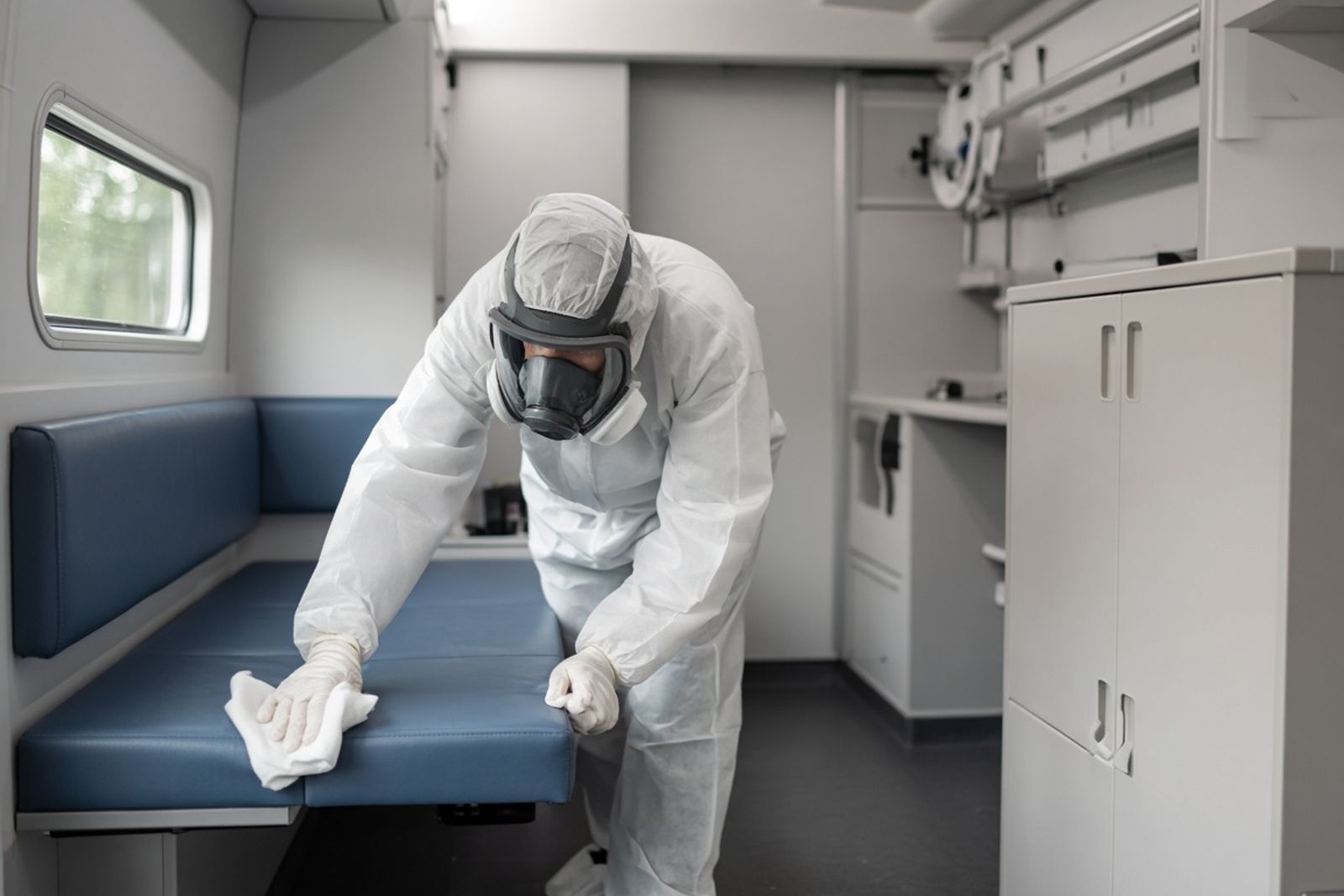
Knowledge quiz
Test what you know about cabin hazards, who pulls a unit from service, containment, contact time, waste, and cleaning records before the next hard call.