Emergency Vehicle Decontamination: Health & Wellness
Looking after yourself and your family while you deal with emergency vehicle decontamination, with trusted places to find support.
Health and wellness posts focus on the people who respond, transport, and then clean up after hard calls. Articles cover handling stress when a dirty unit and a hard patient call land on the same shift. They cover spotting signs of tiredness that builds up over time. They also cover finding peer support, employee help programs, and counseling that understands public safety work. Other posts cover physical health concerns. One example is follow-up after a possible blood exposure and how to talk with a doctor about it. Posts also discuss the strain of lifting and bending over and over during cleanup.
Get an email reply about emergency vehicle decontamination
Send a short message to the follow-up inbox. A coordinator can reply by email. This form does not send emergency help; call 911 first if anyone is in danger.
Cleaning a patient area after a traumatic call can bring the event back. Crews often push through without admitting the toll. Some agencies build in time to unwind and make it normal to talk with peers. They make support easy to reach. These agencies help members stay healthy over long careers. Anyone who is struggling deserves fast, private support. That might come from a peer team, a counselor, a chaplain, or a crisis line open day and night. These posts sit next to the technical guidance because well-supported crews make safer choices. When leaders ask for help themselves, it is easier for newer members to do the same.
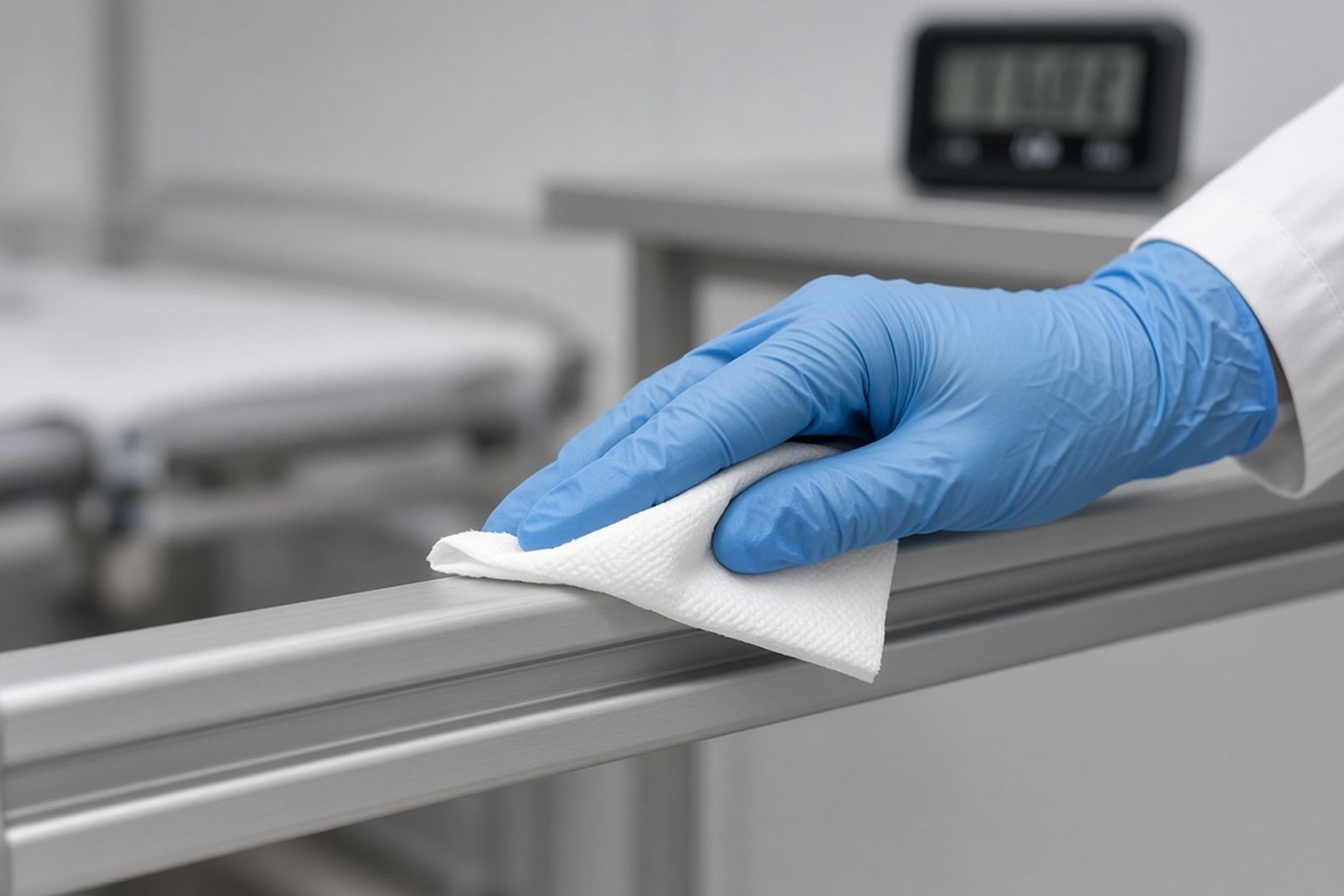
Managing Stress and Disruption During Emergency Vehicle Decontamination
How you can ease crew stress, coverage gaps, and exposure worries when your ambulances, engines, or patrol cars come out of service to be cleaned.
Cleaning a unit after a hard call brings stress beyond the mess itself. Your crew may be asked to clean up what the call left behind. Your supervisors juggle coverage with a unit out of service. And people worry about exposure. You can ease that strain. Keep crews away from the heavy cleaning after hard calls, plan reserve coverage, give clear exposure follow-up, and tell people when units are truly ready.
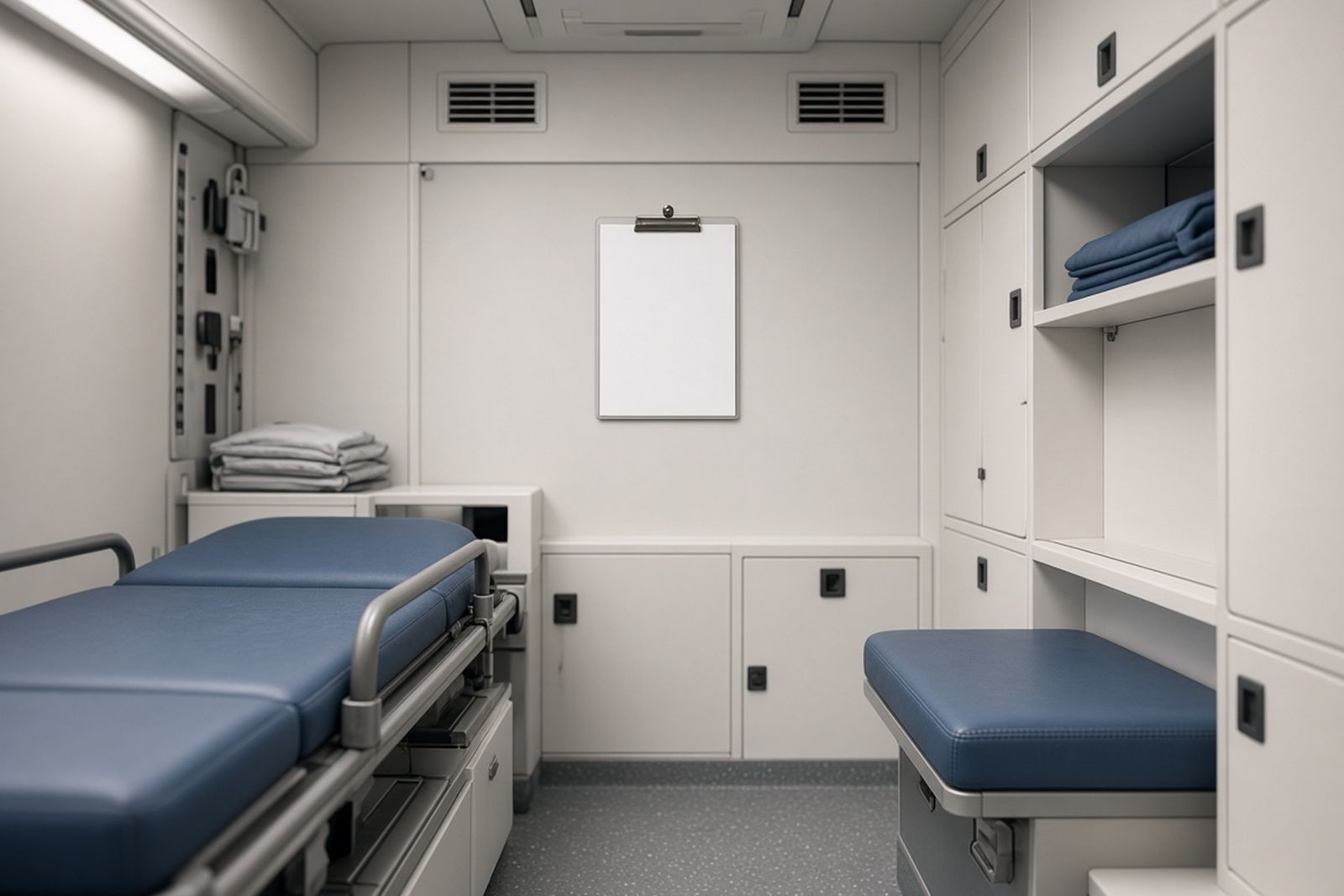
Mental Health Resources During Emergency Vehicle Decontamination
Cleaning the ambulance after a hard call can hit you harder than the call itself. Here are your support options, help with exposure worry, and when to hand off the cleaning.
Cleaning a unit after a hard call can bring the event back in sharp detail. Worry about an exposure can last for weeks. You can lean on peer support teams, employee assistance programs, chaplains, and licensed clinicians who understand first responders. Your agency can help by letting another crew or a contractor handle the heavy cleaning. Anyone in crisis can call or text 988 at any hour.
Facts worth knowing
In one ambulance test, the way a tracer germ spread pointed to responders' hands carrying it from surface to surface.
Why it matters: Glove changes and hand cleaning matter as much as wiping surfaces, so build both into your crew's routine.
In 13 Seoul ambulances, 48 of 104 samples from breathing equipment grew bacteria, though most bacteria found in the study were harmless types.
Why it matters: Check that your cleaning routine includes breathing gear, not only the surfaces people can see.
In five South Korean ambulances, air vent outlets had the highest average bacteria counts before cleaning.
Why it matters: Vents are easy to skip, so check that your cleaning checklist or contractor includes them.
Health & Wellness: common questions
What should a crew member do after a possible blood exposure during cleaning?
Wash the area right away. Report the exposure to a supervisor and the infection control officer. Follow your agency's exposure steps. Getting a medical exam quickly matters, so do not wait until the end of the shift. The infection control officer can work with the receiving hospital and the health department.
Is it common to feel affected while cleaning a unit after a difficult call?
Yes. The sights and smells in a compartment can bring back the call, and many responders feel tense or drained afterward. Talking with a trusted coworker, a peer support team, or a counselor familiar with first responders can help. If you ever feel overwhelmed, reach out to a crisis line right away.
How can supervisors help crews after a very messy call?
Give the crew time to unwind before the next job when staffing allows. Think about having another team do the deep clean. Check in with them in person. Share information about peer support and employee help programs. Follow up in the days after. Small gestures show that the agency values the people doing the work.
How can crews look after themselves after a draining clean?
Take a real break before the next task: drink water, eat something, and change into clean clothes. Stretch if you spent a long time kneeling in the compartment or reaching into cabinets. Mention any pain or strain to your supervisor early rather than working through it. Rest matters as much as protective equipment, so try not to stack heavy tasks back to back when coverage allows.
Should crews shower after a heavy decon?
It is a good idea. This is especially true if your protective gear tore, fluid soaked through, or you just feel sweaty and uncomfortable after working in a closed space. Stations with showers and spare uniforms make this easy before the next call. Bag dirty clothing under your agency's laundry steps. That way it stays at work and does not travel home with you.
How can families support responders who come home after a difficult shift?
Give them space if they need it, and let them share only what they want without pressing for details about the call. Keeping household routines steady helps. Watch gently for changes in sleep, mood, or drinking that last beyond a few days, and encourage them to reach out for support if those changes persist. Many employee assistance programs offer resources for family members too.
Where can crews find support outside their own agency?
Common options include regional peer support teams, state responder groups, and chaplains. Community counselors who work with first responders are another choice. Some nearby departments share their peer teams with smaller agencies. Your employee help program can make private referrals. Anyone in crisis, or worried about a coworker, can call or text 988 at any hour to reach the Suicide and Crisis Lifeline.
Related community polls
Vote to see how other people answered. You can change your answer at any time.
After a bloody transport, what usually decides whether your unit gets a full deep clean?
Who performs terminal cleans on your fleet most of the time?
More on emergency vehicle decontamination
Emergency Vehicle Decontamination services
Learn how deep cleans of ambulances, fire trucks, and police cars are planned. See needle sweeps, choices about soft items, and records by unit number.
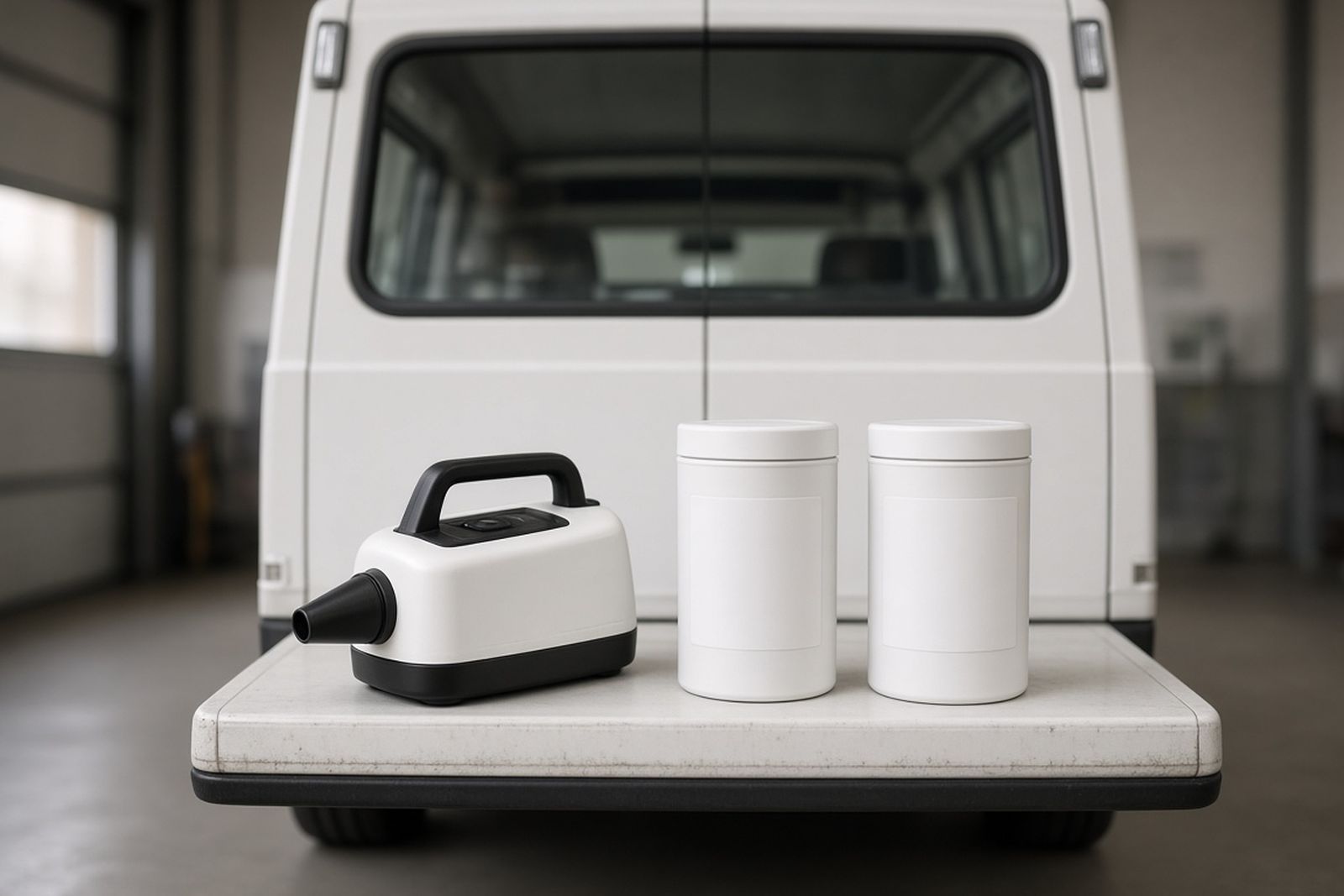
Costs explained
What drives the price, published cost ranges, and how to read a written quote line by line.
Insurance and payment
Which policies may respond, how to document a claim, and what to do if coverage is denied.
Planning tools
Guided planners for fleet managers. Get cost ranges, vendor checks, insurance steps, first-day actions, waste sorting, and in-house versus vendor risk.
Community polls
See how other EMS, fire, and police fleets handle time pressure, new soft items, records, and product choices in their own bays.
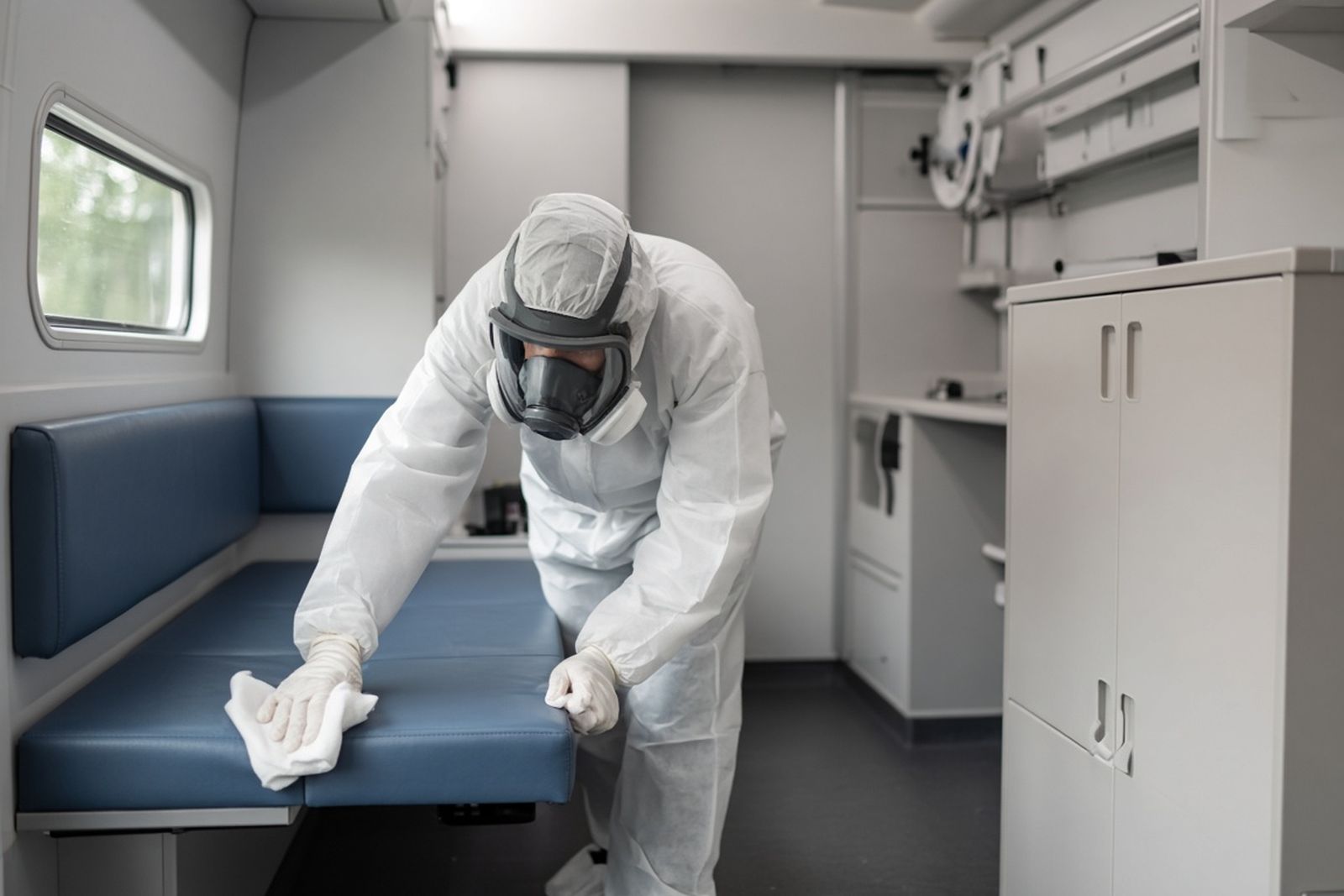
Knowledge quiz
Test what you know about cabin hazards, who pulls a unit from service, containment, contact time, waste, and cleaning records before the next hard call.