Short answer
No, in almost every case. Ambulances, fire trucks and patrol cars belong to agencies or companies. Their cleanup costs after contamination are handled through business auto coverage, city or county risk pools, self-insurance or the operating budget. Homeowners policies usually exclude motor vehicles. The gray areas involve volunteers' own cars used on calls. Those fall under personal auto policies and department payback rules, not homeowners coverage.
Why homeowners policies do not apply
Homeowners policies are written to protect a home, the buildings around it and household belongings. Nearly every policy leaves out motor vehicles that are licensed for road use. It also leaves out property used in a business. An ambulance, a fire engine, a rescue truck or a patrol car fails both tests.
The question still comes up. It often comes from volunteer responders, small private transport companies or people who just bought a retired ambulance for another use. It is a fair question to ask. The answer just lies in a different set of policies.
If you manage a fleet, the real question is not whether a homeowners policy will pay. It is which of your group's coverages or budgets is meant to pay for decontamination (decon) after an exposure. It is also what paperwork that source expects.
Homeowners coverage for items kept at home is a separate question with its own answer. An example is a responder's own firefighting gear stored in a garage. Ask your agent about personal property used for volunteer service. Don't assume the answer either way.
Where agency and company decon costs land
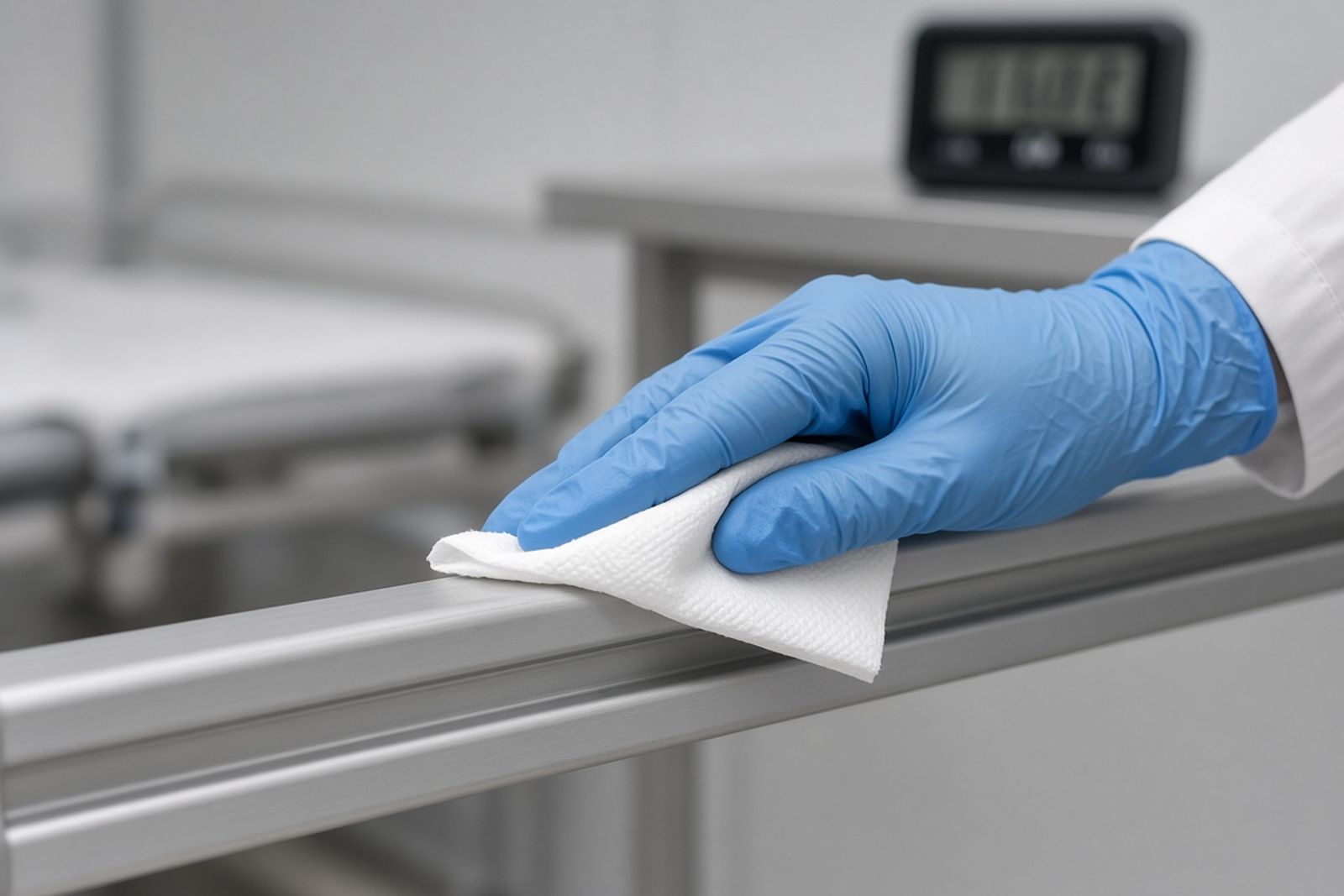
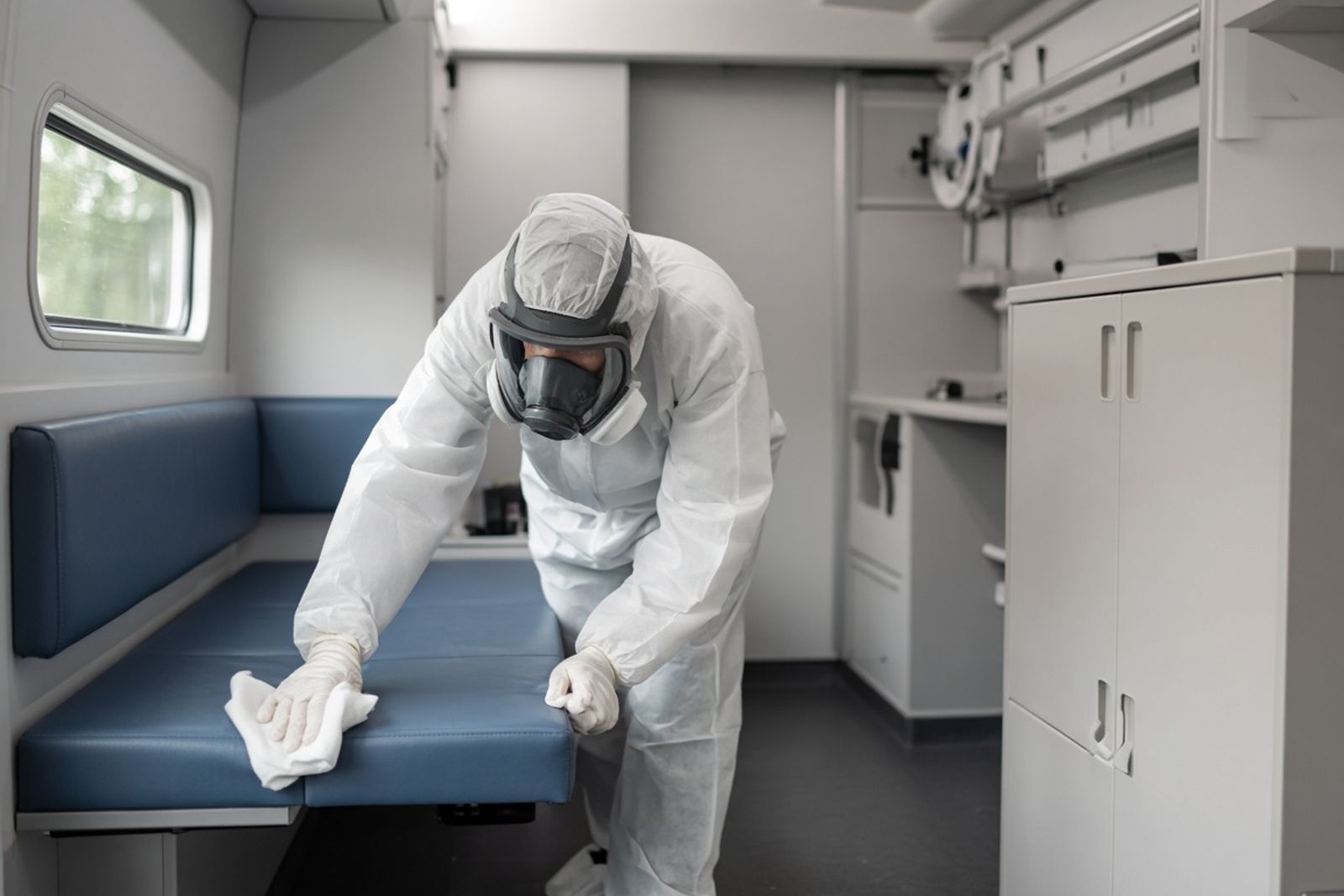
Most routine decon is treated as an operating cost. This includes quick wipe-downs between calls and scheduled full deep cleans. It is part of the cost of running an emergency service, much like fuel and supplies. It rarely involves an insurance claim.
Larger events are different. Think of a unit in a crash, a fire, or an event that soaks the patient area with blood or other fluids. These may bring costs that a business auto policy, a city or county risk pool, or a self-insurance program is set up to review. How that works depends entirely on your group's setup.
- Business auto or fleet policies, which may be reviewed for physical damage after a crash
- City or county risk pools that cover public agencies
- Self-insurance programs run by a city, county or hospital system
- Contracts with hospitals or health systems that run or sponsor transport services
- Operating budgets for scheduled deep cleans and deep cleans after an exposure
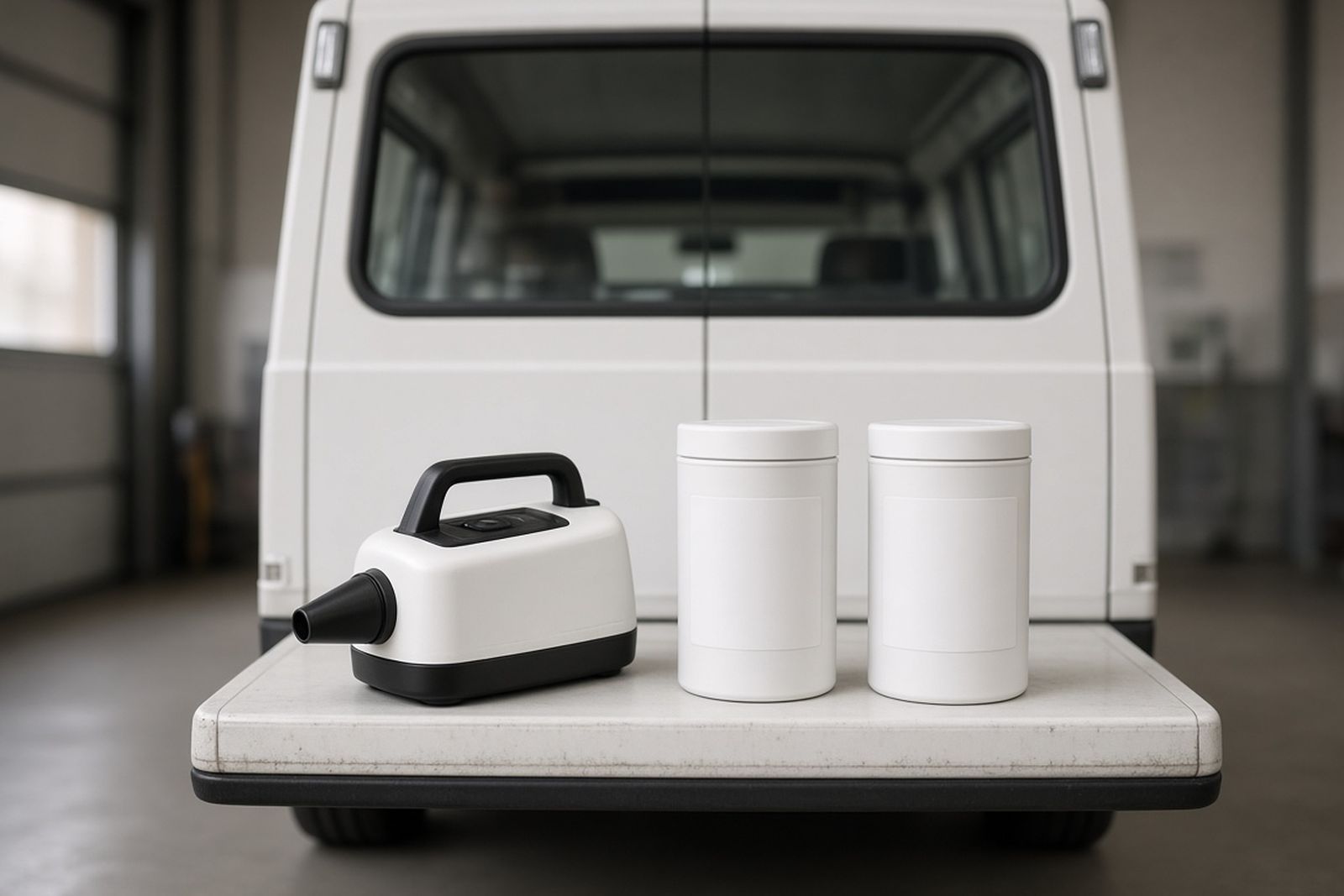
- Grant programs that sometimes pay for equipment such as decon supplies or spare units
Crashes: decon on top of repairs
Crashes are among the events most likely to send an ambulance to both a repair shop and a decon bay. NHTSA estimated an average of 4,500 ground ambulance crashes per year from 1992 to 2011, with 33 deaths and 2,600 people hurt yearly, as NAEMT reported in 2014.
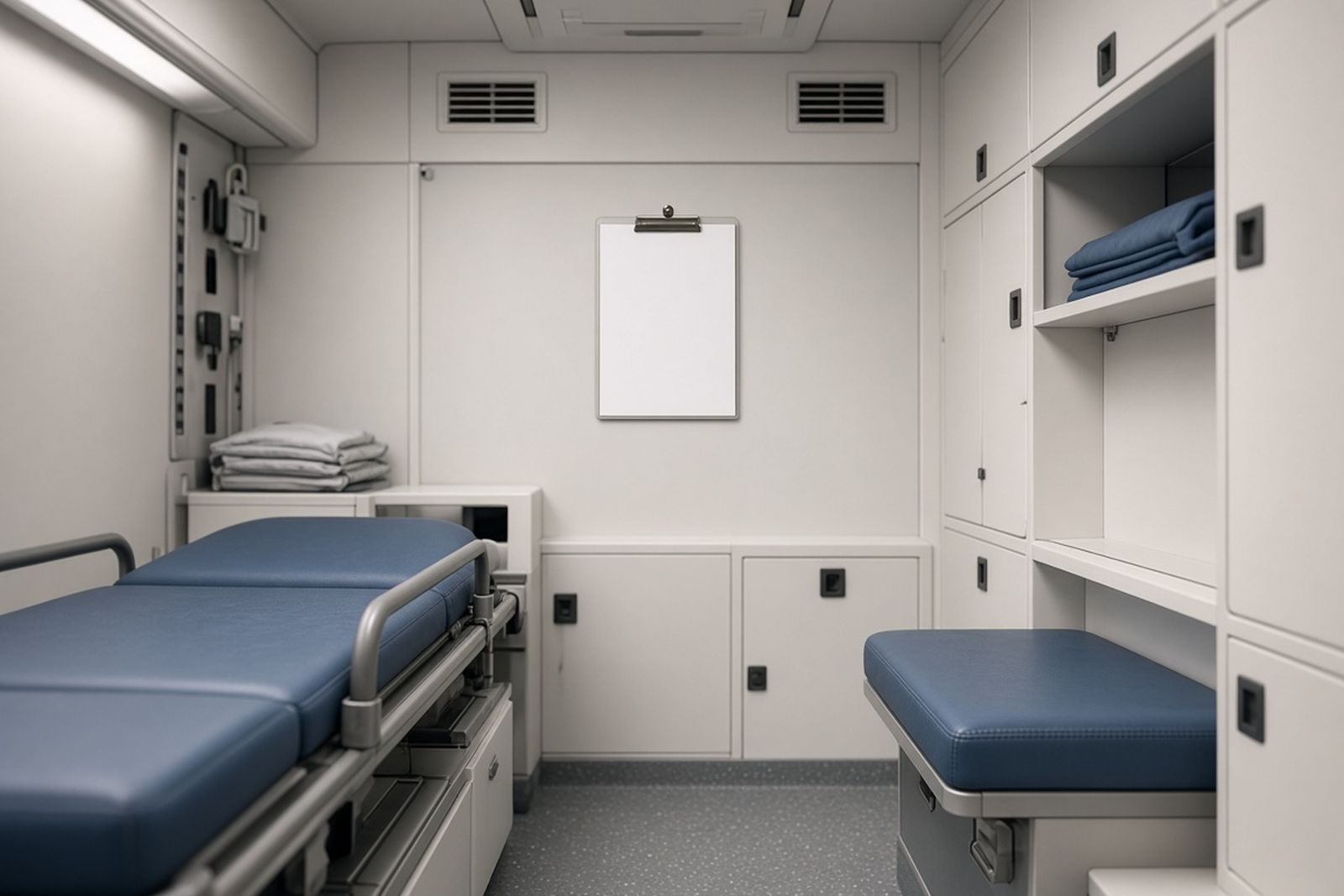
After a crash with a patient on board, the patient area can be covered in blood, fluids, broken supplies and needles. These can end up in places crews do not normally reach. Soft items such as cot mattresses, seat cushions and safety straps may need to be replaced instead of cleaned.
If a crash claim is opened, ask the adjuster or risk manager early how decon will be handled. Will cleaning and replacing soft items be reviewed as part of the physical damage? Or should they be handled on their own? Keep the decon bill and the repair estimate as separate papers so each can be reviewed by itself.
What about volunteers who respond in their own vehicles?
In many rural areas, volunteer firefighters and EMTs drive to scenes in their own cars or trucks. Those vehicles can end up with blood or fluids in them from gear, gloves or helping a patient. That is when someone may wonder about personal insurance.
A personal vehicle is usually a matter for a personal auto policy, not homeowners coverage. Personal auto policies are built around crashes and other listed dangers. So contamination from a call may not fit neatly. Some policies also have wording about vehicles used for emergency response. The department may also have its own payback or equipment policy for volunteers.
If you are a volunteer, keep soiled gear in sealed bags in the cargo area, not on seats. If your own vehicle gets contaminated, tell your department's infection control officer. Ask what help is available before you pay for cleaning yourself.
Buying a retired ambulance or patrol car
Retired ambulances and police cars are often sold at auction. Buyers turn them into campers, work trucks or mobile businesses. Buyers sometimes find stains, odors or used supplies tucked behind panels. They wonder whether their homeowners insurance can help with cleaning.
Once it is registered for road use, the vehicle is normally insured under a personal or business auto policy, based on how you use it. Contamination that was there before you bought it is usually treated as part of the vehicle you bought, not a new loss. That makes decon a normal cost of the conversion project.
Decontaminating a converted vehicle properly
It is still worth doing right. Patient areas can hold residue in cabinet tracks, under floor coverings, in oxygen and suction mounts and inside air ducts. Ask a company that knows ambulance patient areas to inspect it. Have it remove soft items and flooring that cannot be shown to be clean. Get a written record of what was done. Check for leftover needles before you start pulling panels yourself.
You may plan to use the vehicle for food service, child care rides or any business that brings the public inside. If so, a written decon record may also help when you apply for local permits.
Exposure events and workers' compensation
A crew member may be exposed to blood or body fluids during a call. That exposure is usually handled through your job health process and, where it applies, workers' compensation. The vehicle's decon is a separate matter, even though both come from the same call.
It is good practice to link the exposure report number to the decon record for the same unit. This shows the vehicle was taken out of service and cleaned after the event. That supports both your infection control program and any later review.
Small private transport companies
Small private medical transport companies often carry a business auto policy but have no risk manager on staff. So the first call after a crash that leaves contamination can go to the wrong place. Say a van is rear-ended while carrying a bleeding patient. It can end up with a soiled patient area and broken fittings, even when nobody is badly hurt.
The right first call is to the agent who handles the company's business auto policy, not a personal insurance agent. An adjuster who opens a physical damage claim for the crash may ask for photos and an itemized decon estimate. These help them review whether cleanup costs will be considered.
In the meantime, take the vehicle out of service. Have a decon company do a full deep clean. Replace soft items such as the cot mattress or seat cushion if they cannot be shown to be clean. Send the company's report and bill to the adjuster along with the repair estimate. Whether the decon part is paid depends on the policy wording. Either way, the vehicle goes back into service with a written record of a full deep clean on file.
Documentation that supports a claim or budget request
You may be dealing with an insurer, a risk pool or your own finance office. In each case, clear records make decisions faster. They also protect your group if a patient, crew member or regulator later asks how a unit was handled.
Your state EMS office and medical director can tell you whether licensing rules set any requirements for vehicle cleaning records.
- Unit number, date, time, and the call or event that led to decon
- Photos of the patient area before and after cleaning
- The products used, their EPA registration numbers and how long they stayed wet
- A list of soft items and equipment replaced, with reasons
- Records for needle and waste disposal
- The name of the person who put the unit back in service
- Any linked exposure report or crash report numbers
What questions should you ask your risk manager or agent?
A short, direct talk before the next major event is better than sorting things out afterward. Ask your risk manager, broker or agent these questions. Keep the answers with your fleet policies.
Is decon after a covered crash reviewed as part of physical damage? Are soft items and medical equipment inside the unit covered, and under which part of the program? Does any coverage apply to contamination without a crash? How should volunteers handle contamination of their own vehicles? What records do you need from our decon company?
With those answers on file, your crews and supervisors can focus on getting units cleaned the right way and back in service.