Emergency Vehicle Decontamination: Health & Wellness
Privacy, decision-load, trauma-aware communication, and verified support resources for people managing emergency vehicle decontamination. Educational remediation content is not mental-health treatment.
Health and wellness posts focus on the people who respond, transport, and then clean up after hard calls. Articles cover handling stress when a dirty unit and a hard patient call land on the same shift. They cover spotting signs of tiredness that builds up over time. They also cover finding peer support, employee help programs, and counseling that understands public safety work. Other posts cover physical health concerns. One example is follow-up after a possible blood exposure and how to talk with a doctor about it. Posts also discuss the strain of lifting and bending over and over during cleanup.
Get an email reply about emergency vehicle decontamination
Send a short message to the follow-up inbox. A coordinator can reply by email. This form does not send emergency help; call 911 first if anyone is in danger.
Cleaning a patient area after a traumatic call can bring the event back. Crews often push through without admitting the toll. Some agencies build in time to unwind and make it normal to talk with peers. They make support easy to reach. These agencies help members stay healthy over long careers. Anyone who is struggling deserves fast, private support. That might come from a peer team, a counselor, a chaplain, or a crisis line open day and night. These posts sit next to the technical guidance because well-supported crews make safer choices. When leaders ask for help themselves, it is easier for newer members to do the same.
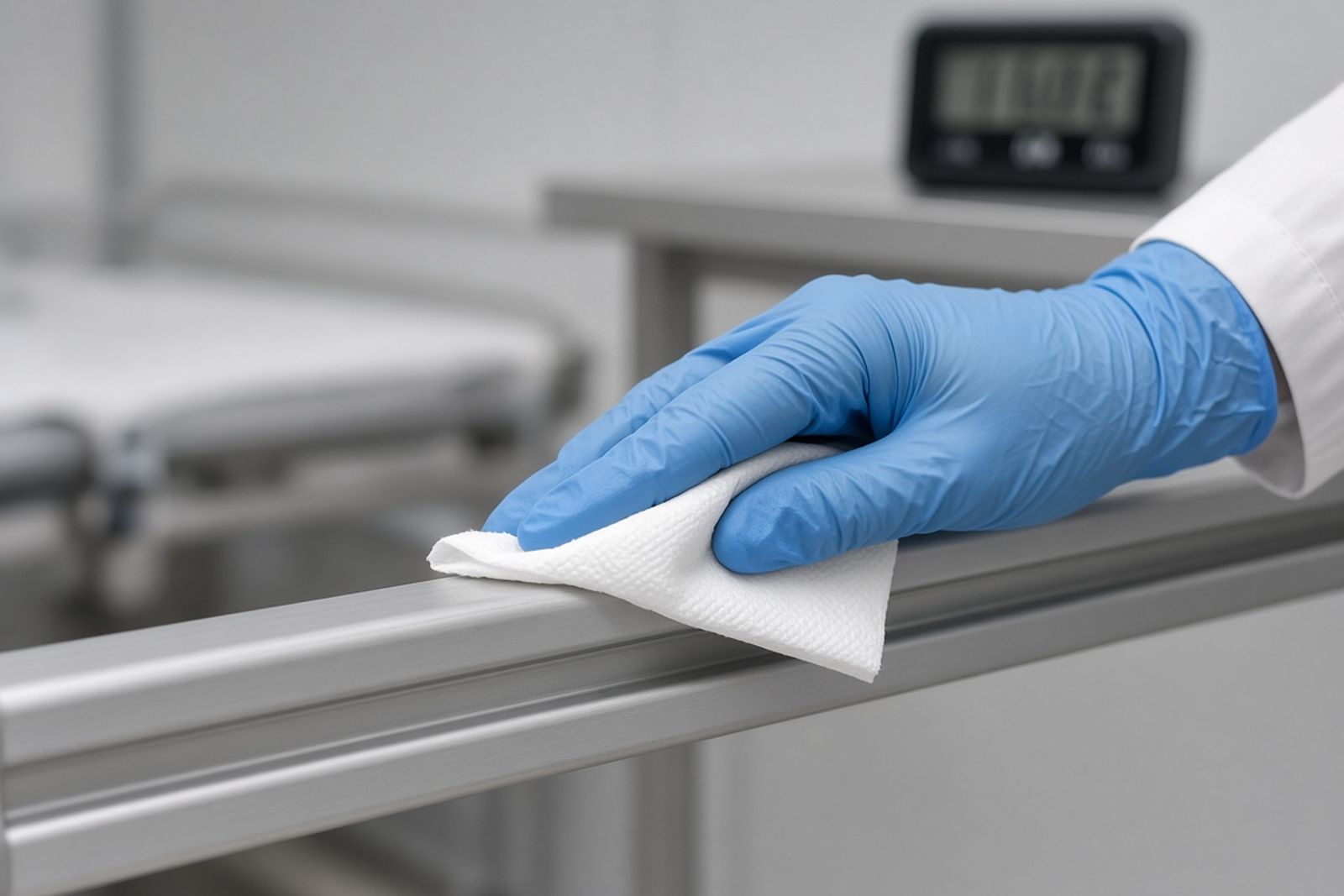
Managing Stress and Disruption During Emergency Vehicle Decontamination
How fleet managers can reduce crew stress, coverage gaps, and exposure worries when ambulances, engines, or patrol cars come out of service for decontamination.
Emergency vehicle decontamination creates stress beyond the mess itself: crews who just ran a hard call may be asked to clean the evidence of it, supervisors juggle coverage with a unit out of service, and personnel worry about exposure. Reduce that strain by separating crews from heavy decon after difficult calls, planning reserve coverage, giving clear exposure follow-up, and communicating when units are genuinely ready.
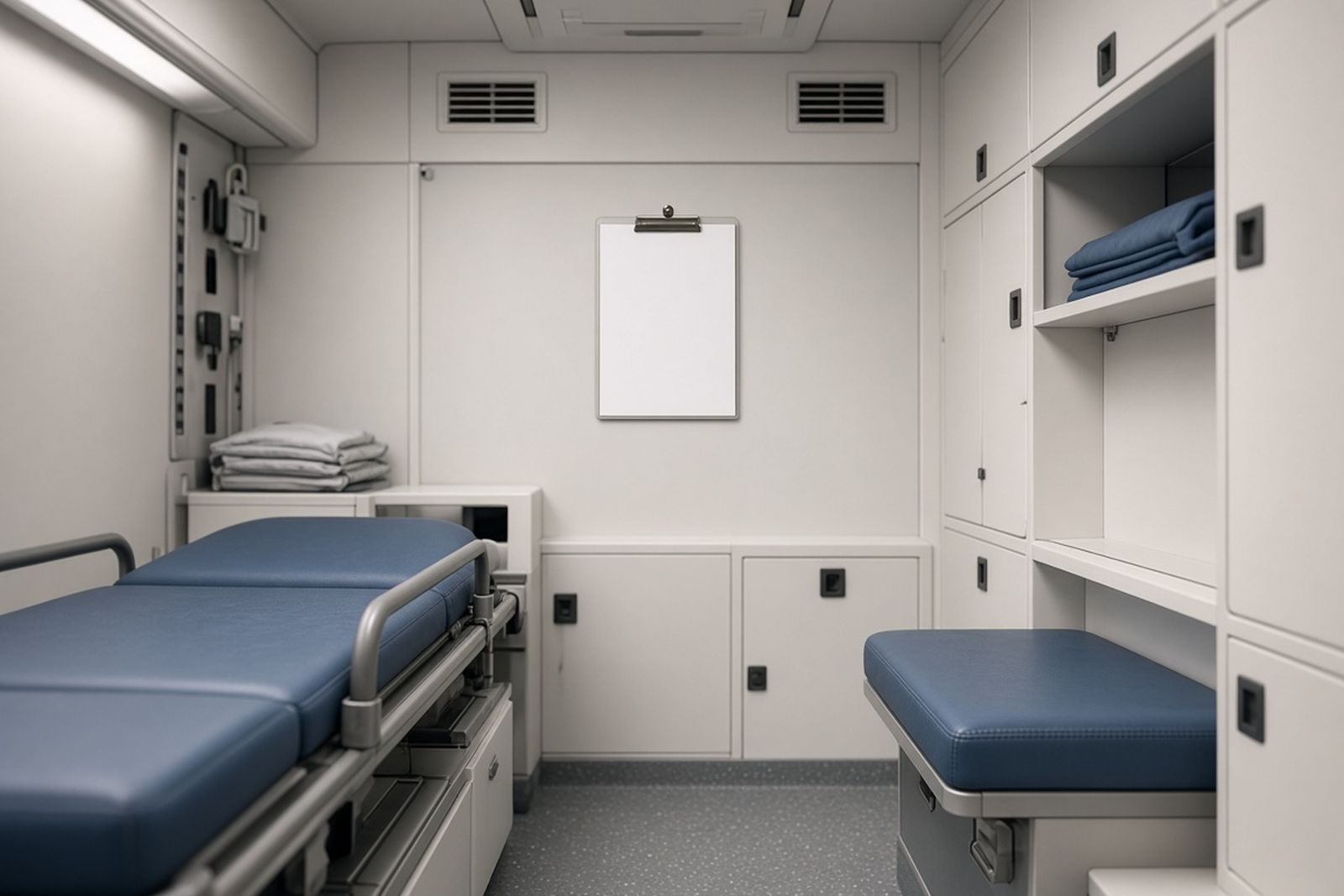
Mental Health Resources During Emergency Vehicle Decontamination
Cleaning the ambulance after a hard call can hit crews harder than the call itself. Support options, exposure worry, and when to hand off the decon.
Decontaminating a unit after a difficult call can bring the event back in vivid detail, and exposure worries can linger for weeks. Crews and fleet staff can lean on peer support teams, employee assistance programs, chaplains, and licensed clinicians who understand first responders. Agencies can help by letting another crew or a contractor handle heavy decon. Anyone in crisis can call or text 988 at any hour.
Sourced figures on health & wellness
- 214
214 of 429 samples grew bacteria.
Read with care: Detection is not infection; small local fleet; most isolates were environmental flora.
Source: Noh et al. (2011)13 Seoul ambulances; 33 sites each, 429 samples.
- 52%
The reported contamination rate fell from 52% before disinfection to 8% afterwards.
Read with care: Abstract does not provide sample count; product-specific; contamination is not infection.
Source: Farhadloo et al. (2018)Ambulance cabins and equipment in Qom, Iran, treated with one named disinfectant.
- 90%
Americans spend approximately 90 percent of their time indoors, according to EPA.
Read with care: Average figure; children, elderly and ill people spend even more time indoors.
Source: US EPA (2026)US population average
These figures are public research and agency data, not this network's own job records. Keep each number with its population, year and limits; none of them predicts cost, timing or outcome at a specific property.
What research has found
Findings from published studies of people and properties in situations like this one. They describe what researchers observed in a specific group; they are not predictions for your case.
Observed transfer patterns implicated responders' hands.
Only four samples were classified as containing pathogens.
Health & Wellness: common questions
What should a crew member do after a possible blood exposure during cleaning?
Wash the area right away. Report the exposure to a supervisor and the infection control officer. Follow your agency's exposure steps. Getting a medical exam quickly matters, so do not wait until the end of the shift. The infection control officer can work with the receiving hospital and the health department.
Is it common to feel affected while cleaning a unit after a difficult call?
Yes. The sights and smells in a compartment can bring back the call, and many responders feel tense or drained afterward. Talking with a trusted coworker, a peer support team, or a counselor familiar with first responders can help. If you ever feel overwhelmed, reach out to a crisis line right away.
How can supervisors help crews after a very messy call?
Give the crew time to unwind before the next job when staffing allows. Think about having another team do the deep clean. Check in with them in person. Share information about peer support and employee help programs. Follow up in the days after. Small gestures show that the agency values the people doing the work.
How can crews look after themselves after a draining clean?
Take a real break before the next task: drink water, eat something, and change into clean clothes. Stretch if you spent a long time kneeling in the compartment or reaching into cabinets. Mention any pain or strain to your supervisor early rather than working through it. Rest matters as much as protective equipment, so try not to stack heavy tasks back to back when coverage allows.
Should crews shower after a heavy decon?
It is a good idea. This is especially true if your protective gear tore, fluid soaked through, or you just feel sweaty and uncomfortable after working in a closed space. Stations with showers and spare uniforms make this easy before the next call. Bag dirty clothing under your agency's laundry steps. That way it stays at work and does not travel home with you.
How can families support responders who come home after a difficult shift?
Give them space if they need it, and let them share only what they want without pressing for details about the call. Keeping household routines steady helps. Watch gently for changes in sleep, mood, or drinking that last beyond a few days, and encourage them to reach out for support if those changes persist. Many employee assistance programs offer resources for family members too.
Where can crews find support outside their own agency?
Common options include regional peer support teams, state responder groups, and chaplains. Community counselors who work with first responders are another choice. Some nearby departments share their peer teams with smaller agencies. Your employee help program can make private referrals. Anyone in crisis, or worried about a coworker, can call or text 988 at any hour to reach the Suicide and Crisis Lifeline.
Related community polls
Every count is a real visitor vote; nothing is seeded or padded. One vote per poll per device, and you can change your answer.
After a bloody transport, what usually decides whether your unit gets a full deep clean?
Who performs terminal cleans on your fleet most of the time?
More on emergency vehicle decontamination
Emergency Vehicle Decontamination services
Learn how deep cleans of ambulances, fire trucks, and police cars are planned. See needle sweeps, choices about soft items, and records by unit number.
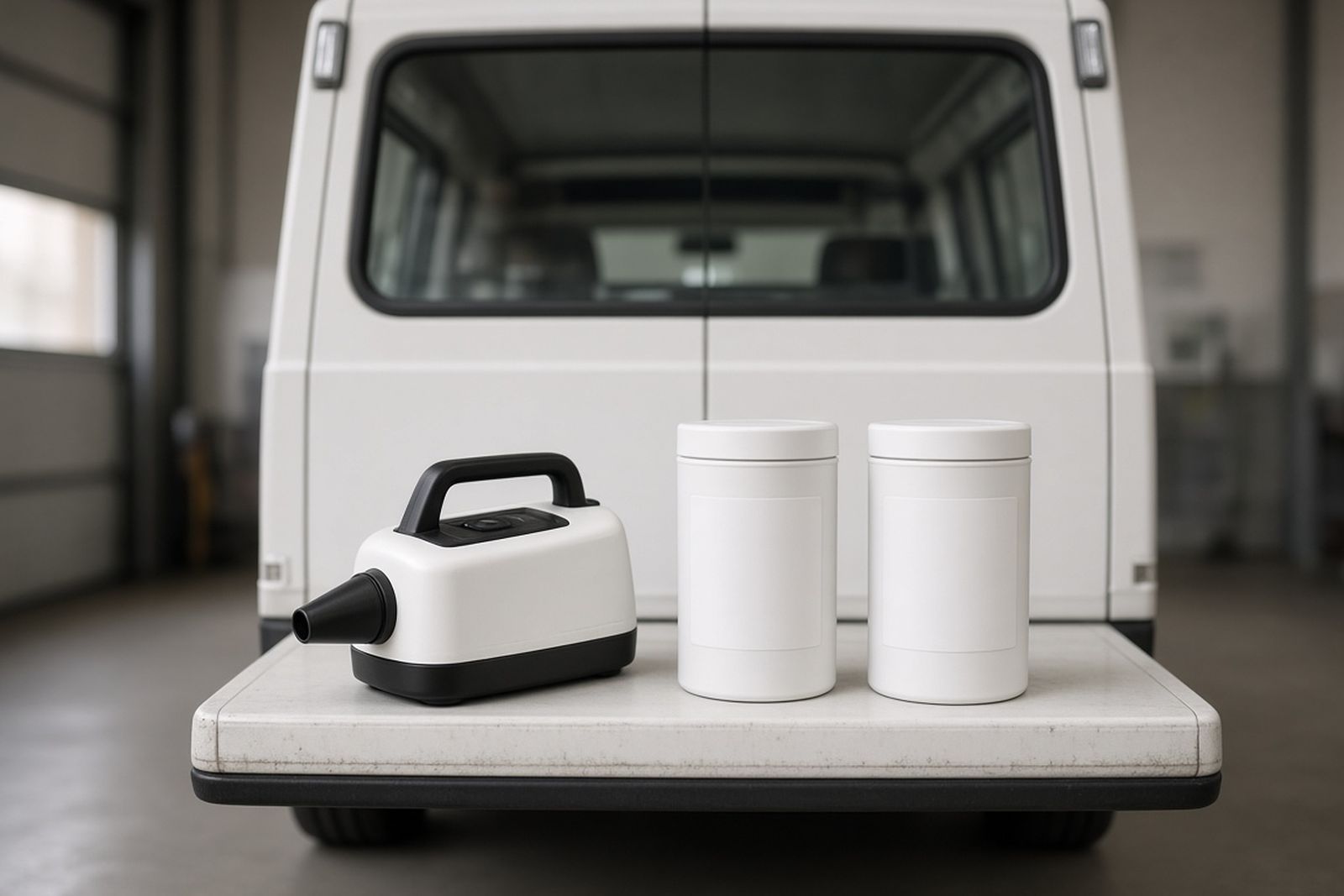
Costs explained
What drives the price, published cost ranges, and how to read a written quote line by line.
Insurance and payment
Which policies may respond, how to document a claim, and what to do if coverage is denied.
Planning tools
Guided planners for fleet managers. Get cost ranges, vendor checks, insurance steps, first-day actions, waste sorting, and in-house versus vendor risk.
Community polls
See how other EMS, fire, and police fleets handle time pressure, new soft items, records, and product choices in their own bays.
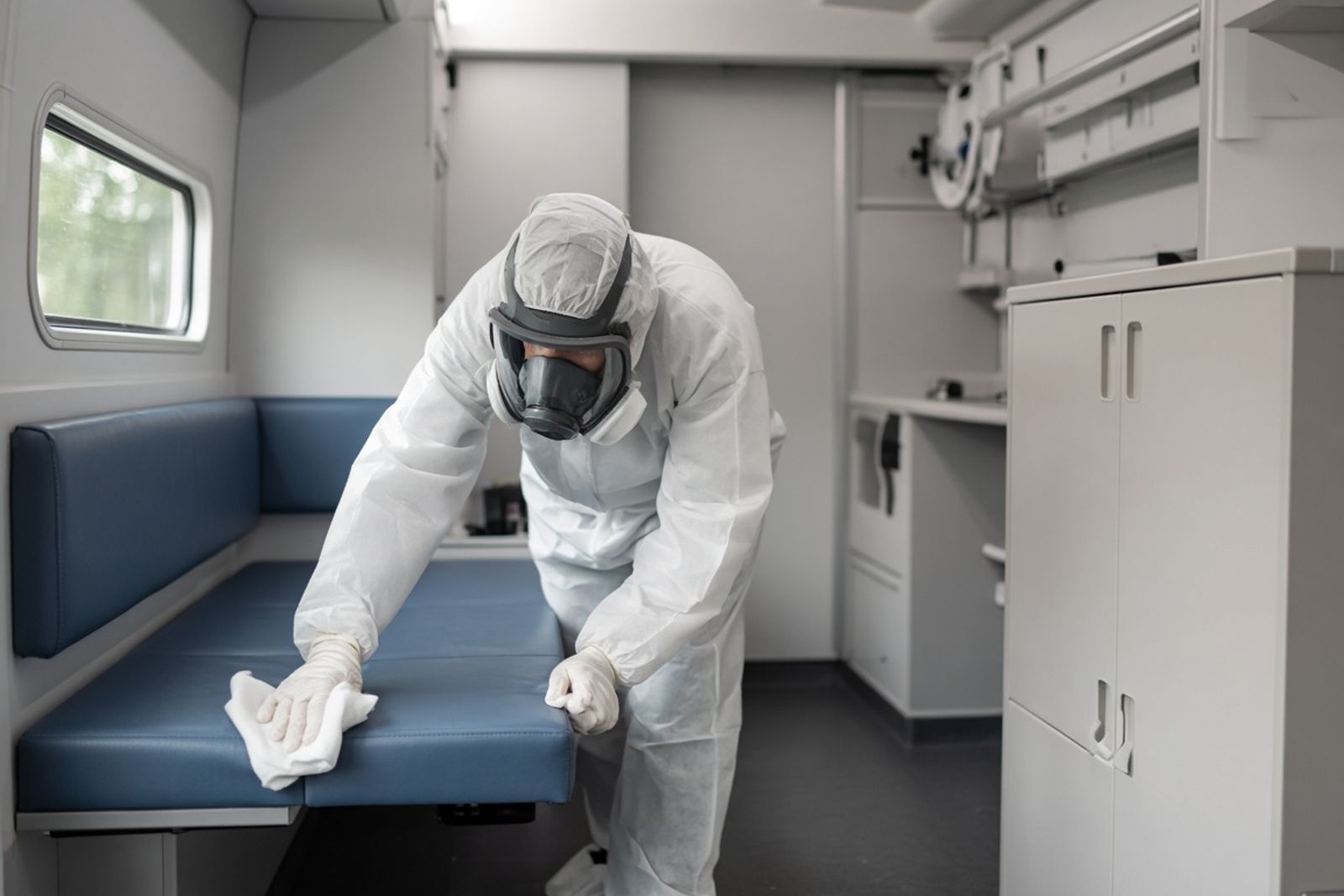
Knowledge quiz
Test what you know about cabin hazards, who pulls a unit from service, containment, contact time, waste, and cleaning records before the next hard call.