Free emergency vehicle decontamination tool
Emergency Vehicle Decontamination Insurance Claim Organizer
A guided checklist from finding the policy to tracking the carrier decision, with a printable summary of where the claim stands.
Paying for a vehicle clean is rarely as simple as filing a claim. Many agencies insure themselves through a city or a shared risk pool. They have their own notice rules and approval steps that work like an insurer's. Others carry commercial fleet policies, special emergency vehicle coverage, or property policies. Those may or may not pay for biohazard cleaning inside a vehicle. Contracted patient van companies may have a mix of commercial auto and general liability coverage. Each can have different notice rules. The organizer walks you through the steps. You find the policy or self-insurance program that applies. You describe the cause of the loss in the words risk managers use. You give notice in time. You record the contamination and the soft items replaced. You get a written scope of work, and you track the decision.
The tool builds a progress checklist. It makes a printable summary that fits a risk-management or fleet file. It does not predict what an insurer or risk pool will decide. This site has no tie to any insurer. Coverage questions belong to your risk manager, broker, or city attorney. What the organizer gives you is order. When the risk office asks for the unit number, the call that caused it, the photos, and the vendor's scope, you have them in one place. They will not be scattered across emails and station logbooks. It also helps you keep the cleaning cost apart from any exposure claim by a crew member, which follows a different path.
How to use it
- 1Before you start, gather your fleet or special vehicle policy and any property or general liability policy. Also gather your agency's self-insurance or risk pool steps.
- 2Work through each step. Enter the unit number, the call that caused it, the cause of loss, and the dates you notified each insurer or the risk office.
- 3Record the photos, vendor scope, list of replaced soft items, and waste receipts you have. Then the checklist shows what you really have.
- 4Print or copy the summary for your risk manager. Update the tracker as decisions come in.
Prefer to ask a person?
Your request is sent to the follow-up inbox. A coordinator can reply by email. Not for emergencies; call 911 first if anyone is in danger.
Organize an insurance claim
Emergency Vehicle Decontamination insurance claim organizer
A checklist to keep the claim orderly. It stores nothing on our servers; copy the summary to your own notes.
0 of 18 steps recorded (0%)
Print or paste the summary into your own records. Coverage is the carrier's decision under the policy; keep every answer in writing.
A worked example
Think of a mid-sized police department. Its prisoner van got very dirty during a medical emergency in the back. Fluid got into the seat, onto the divider, and into the floor channels. There was also a possible evidence question. That delayed cleaning until the supervising officer released the vehicle. The fleet sergeant has never handled insurance before, so he opens the organizer. The first step asks him to find out whether the city insures vehicle damage itself or carries a fleet policy. The risk office tells him a risk pool covers the fleet and has its own notice form. The cause-of-loss step helps him describe the event as contamination inside the vehicle. This is kept apart from any officer exposure report, which is filed on its own. The notice step records when he sent in the pool's form. The records step reminds him to gather photos of the back area before and after. He also needs the vendor's scope with the seat replacement listed, the regulated waste receipt, and the cleaning record with the supervisor's sign-off. The written-scope step makes a request he sends to the vendor. As the pool responds, he updates the tracker. The printed summary becomes the cover page for the fleet file. Now the next sergeant can see the full history without asking.
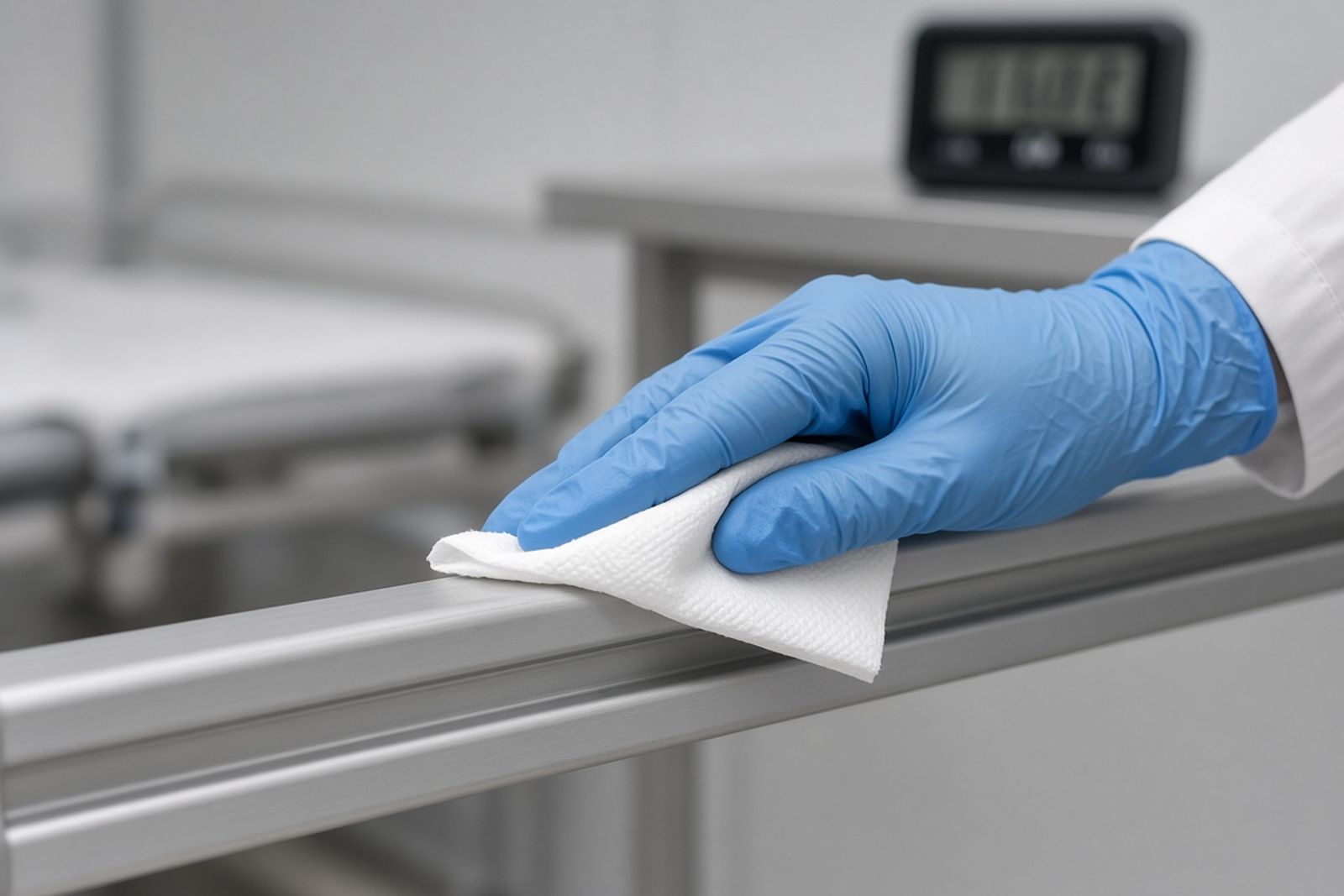
Numbers behind claim organizer decisions
- every 3 years
Hazmat employees must receive recurrent DOT training at least once every three years.
Read with care: Records must be kept for the prior three years plus 90 days after employment ends.
Source: DOT PHMSA (49 CFR via Cornell LII) (2024)United States, all hazmat employees
- 180 days
Facilities generating more than 100 kg but less than 1,000 kg of hazardous waste per month are Small Quantity Generators and may store it up to 180 days.
Read with care: Limit extends to 270 days when the disposal facility is over 200 miles away.
Source: EPA (2024)United States, RCRA generators
- 29
OSHA approves 29 State Plans, 22 covering private and public workers and 7 covering only state and local government employees.
Read with care: State plans must be at least as effective as federal OSHA but may differ in detail.
Source: OSHA (2024)United States states and territories
- 10 working days
Employers must offer the hepatitis B vaccine within 10 working days of assigning an employee to a job with occupational blood exposure.
Read with care: Employees may decline; the vaccine must be at no cost.
Source: OSHA (2024)United States employers with occupationally exposed employees
These figures are public research and agency data, not this network's own job records. Keep each number with its population, year and limits; none of them predicts cost, timing or outcome at a specific property.
Insurance Claim Organizer questions for emergency vehicle decontamination
Why does the organizer keep a crew exposure apart from the vehicle claim?
A crew member's exposure follows the agency's after-exposure steps. Where it applies, it also goes through workers' comp. The vehicle clean is a fleet or property matter. A different office or insurer handles it. Keeping them apart avoids confusing adjusters and causing delays. The tool tracks both side by side. That way, you can see how they connect without mixing the paperwork.
What if our agency insures itself and has no policy paper to find?
Self-insurance programs still have written steps. They say who to notify, what forms to send, what records are needed, and who approves spending. Ask your risk office or finance department for those steps. Record them in the organizer where a policy would go. The steps for notice, records, and scope work the same way.
Should we wait for a coverage answer before we book the clean?
Leaving a dirty unit sitting while you wait on a decision usually creates more risk than it prevents. It may also leave the agency short a vehicle. Give notice right away and record everything carefully. Go ahead with a qualified vendor and keep the risk office in the loop. The organizer helps you show that you acted sensibly if the decision is questioned later.
How do we record replaced soft items so we can get paid back?
Photograph each item before you remove it. Show the soaking or damage. Write down what the part is and the unit number. Keep the vendor's line item for the replacement and the disposal receipt. The organizer's records step lists these items so nothing is missed. Risk offices often question replacements that have no photos. So take them before the item leaves the bay.
Can the printed summary be the insurance part of the unit's file?
Yes. It lists the policy or program, notice dates, records gathered, and open items on one page. Put the full records behind it. Fleet audits and infection-control reviews often reach for the same file. A cover sheet that shows the claim's status at a glance saves everyone from piecing the timeline back together.
How should we use the organizer when one call damages several units?
Make a separate record for each unit. Each one may have its own damage, soft items, and cleaning bill. Link them with the shared incident number. Your risk office may want one claim or several, depending on how your coverage or self-insurance program works. So ask early. Keeping each unit's papers apart makes it easier to answer questions about one vehicle without sorting through all of them.
How should we handle a claim when the dirty unit belongs to a mutual aid partner?
Tell the agency that owns it right away, since its coverage or program usually applies to the vehicle. Share your photos, the incident details, and any cleaning records your crew made. Ask how it wants to go forward. Write down in the organizer what you sent and when. Any exposure to your own crew still follows your agency's steps, and that paperwork stays with your office.
Related community polls
Every count is a real visitor vote; nothing is seeded or padded. One vote per poll per device, and you can change your answer.
After a bloody transport, what usually decides whether your unit gets a full deep clean?
Who performs terminal cleans on your fleet most of the time?
Other emergency vehicle decontamination tools
Cost Range Estimator
Set the affected area, surface types, severity and extras to see an educational cost range and the factors that move it.
OpenProvider Vetting Checklist
Fifteen questions to ask any remediation provider, a readiness score, and a copyable list of what is still unanswered.
OpenFirst 24 Hours Planner
Tell the planner a few facts about the situation and get an ordered list of who to call, what not to touch, and what to photograph.
OpenWaste & Disposal Classifier
Five questions about the material point to the likely waste category and which authority to confirm the rules with.
OpenDIY or Call a Pro? Risk Check
Eight yes-or-no questions that produce a risk level and explain when professional help is the safer choice.
OpenMore on emergency vehicle decontamination
Emergency Vehicle Decontamination services
Learn how deep cleans of ambulances, fire trucks, and police cars are planned. See needle sweeps, choices about soft items, and records by unit number.
Costs explained
What drives the price, published cost ranges, and how to read a written quote line by line.
Insurance and payment
Which policies may respond, how to document a claim, and what to do if coverage is denied.
Community polls
See how other EMS, fire, and police fleets handle time pressure, new soft items, records, and product choices in their own bays.
Knowledge quiz
Test what you know about cabin hazards, who pulls a unit from service, containment, contact time, waste, and cleaning records before the next hard call.
Articles and resources
Articles on fleet infection-control plans and picking products that are safe on electronics and seats. Read about turnaround planning, evidence in patrol cars, and records that pass an audit.