Emergency Vehicle Decontamination articles and resources
Deeper reads on scope, safety, insurance and hiring, written for property owners.
Articles on fleet infection-control plans and picking products that are safe on electronics and seats. Read about turnaround planning, evidence in patrol cars, and records that pass an audit.
Get an email reply about emergency vehicle decontamination
Send a short message to the follow-up inbox. A coordinator can reply by email. This form does not send emergency help; call 911 first if anyone is in danger.
Browse emergency vehicle decontamination articles

Evidence-led educational articles about emergency vehicle decontamination. Stay informed about safety standards, best practices, and what to expect from professional remediation.
What to Expect During Professional Emergency Vehicle Decontamination
How a professional terminal decon of an ambulance, engine cab, or patrol car unfolds, from intake and sharps sweep to contact time, soft goo...
The Science Behind Emergency Vehicle Decontamination
Why ambulance and patrol-car surfaces stay contaminated after a quick wipe, and how soil, contact time, and material science decide whether ...
How Long Does Emergency Vehicle Decontamination Take?
What controls how long an ambulance, patrol car, or engine is out of service for decon, from exposure type and soft goods to dwell times and...
How to Evaluate Equipment Proposed for Emergency Vehicle Decontamination
Wipes, sprayers, UV units, and hydrogen peroxide vapor all get pitched to fleets. Here is how to judge whether proposed decon equipment fits...
DIY vs Professional Emergency Vehicle Decontamination: The Critical Differences
When should crews handle ambulance or patrol-car decon in-house, and when should a unit go to an outside provider? Compare training, tools, ...
10 Emergency Vehicle Decontamination Safety Risks to Assess Before Work Begins
Hidden sharps, oxygen cylinders, chemical fumes, and crash damage can hurt the people cleaning a unit. Ten risks to check before any vehicle...
OSHA Regulations and Emergency Vehicle Decontamination
How OSHA rules on blood, gear and chemicals shape the cleaning of ambulances and fire trucks. It also shows where state plans change who is ...
PPE Planning for Emergency Vehicle Decontamination: Start With the Hazard Assessment
Choosing gloves, gowns, eye protection, and respirators for ambulance and apparatus decon starts with a task-by-task hazard assessment, not ...
What Drives Emergency Vehicle Decontamination Cost?
Out-of-service time, soft goods, compartment design, and exposure type shape what a terminal decon costs your fleet. See what to weigh befor...
Does Homeowners Insurance Cover Emergency Vehicle Decontamination?
Ambulances, fire engines and patrol cars sit on fleet and city coverage, not homeowners policies. See where cleanup costs usually land and w...
How to Compare Low and High Emergency Vehicle Decontamination Bids
Two decon bids for the same ambulance or patrol car can differ widely. Learn how to line up scope, contact time, soft goods, turnaround, and...
Which Federal, State, and Local Rules Apply to Emergency Vehicle Decontamination?
Ambulance and fire truck cleanup falls under federal worker safety and product rules, state EMS licenses and local protocols. Here is how to...
How to Research Waste Rules for Emergency Vehicle Decontamination
Sharps, soaked soft goods, used PPE, leftover medications, and decon bay runoff each follow different rules. Here is how fleets can research...
10 Questions to Ask Before Hiring an Emergency Vehicle Decontamination Company
Ten questions fleet managers and infection control officers should ask a company that cleans ambulances, fire trucks or patrol cars before s...
Red Flags When Hiring Emergency Vehicle Decontamination Services
Warning signs fleet managers should catch when hiring an ambulance or patrol car decon vendor, from fog-and-go pitches to missing soft-goods...
Training, Documentation, and Credentials for Emergency Vehicle Decontamination
The training, per-unit records and company credentials that fleet managers and infection control officers should expect from ambulance or pa...
Managing Stress and Disruption During Emergency Vehicle Decontamination
How fleet managers can reduce crew stress, coverage gaps, and exposure worries when ambulances, engines, or patrol cars come out of service ...
How Emergency Vehicle Decontamination Practice Has Changed
How ambulance and patrol car cleaning moved from hosing out the back to touch-point checklists, safe products, rules for soft items and unit...
The Difference Between Cleaning and Disinfection in Emergency Vehicle Decontamination
Why ambulance and patrol car decon has to remove blood and grime before any disinfectant goes on, and how crews can confirm both steps on ev...
Emergency Vehicle Decontamination for Property Managers: What You Need to Know
If you lease space to an EMS agency or run a building with an ambulance bay, decon work touches your drains, waste storage, leases, and shar...
When ATP Testing Helps—and When It Does Not—in Emergency Vehicle Decontamination
ATP swabs can show whether an ambulance was actually cleaned, but they cannot prove a unit is pathogen-free. Here is how EMS fleets use them...
Emergency Vehicle Decontamination Planning Example: Building a Defensible Scope
A hypothetical walk-through of scoping a deep decon for an ambulance after a heavy-blood call, from intake questions to a return-to-service ...
Urgent Emergency Vehicle Decontamination: What to Do Before a Provider Arrives
A unit just came back from a call with heavy blood, vomit, or a crash inside. What crews and supervisors should do before a terminal decon c...
Commercial vs Residential Emergency Vehicle Decontamination
Fleet ambulances have decon programs; a volunteer's personal truck and gear bag at home usually do not. How the two settings differ and wher...
Environmental Responsibility in Emergency Vehicle Decontamination
How EMS and public safety fleets can cut runoff, chemical overuse, and waste volume from ambulance decon without weakening infection control...
How to Evaluate Technology Used in Emergency Vehicle Decontamination
UV-C lamps, vapor systems, electrostatic sprayers, and coatings all promise faster ambulance decon. Here is how to test those claims before ...
Mental Health Resources During Emergency Vehicle Decontamination
Cleaning the ambulance after a hard call can hit crews harder than the call itself. Support options, exposure worry, and when to hand off th...
When Enzymes or Microbial Products Fit Emergency Vehicle Decontamination
Enzyme cleaners can lift dried blood from stretcher tracks and fabric; live-microbe products rarely belong in a patient compartment. Where e...
How to Compare Local and National Emergency Vehicle Decontamination Providers
Choosing between a local decon shop and a national network for your ambulance fleet comes down to reach, consistency, subcontracting, and pa...
Questions about emergency vehicle decontamination?
If the articles did not answer your question, send a short message and a coordinator will reply by email.
Your request is sent to the follow-up inbox. A coordinator can reply by email.
If anyone is hurt or in danger, call 911 first.
Emergency Vehicle Decontamination figures our articles draw on
- 214
214 of 429 samples grew bacteria.
Read with care: Detection is not infection; small local fleet; most isolates were environmental flora.
Source: Noh et al. (2011)13 Seoul ambulances; 33 sites each, 429 samples.
- 52%
The reported contamination rate fell from 52% before disinfection to 8% afterwards.
Read with care: Abstract does not provide sample count; product-specific; contamination is not infection.
Source: Farhadloo et al. (2018)Ambulance cabins and equipment in Qom, Iran, treated with one named disinfectant.
- 63.1%
63.1% of service-ready clinicians had at least one targeted pathogen detected.
Read with care: Detection of selected pathogens is not measured patient transmission.
Source: Schaps et al. (2026)20 ambulances and 27 clinicians from two US agencies; 941 samples, 2021–2022.
These figures are public research and agency data, not this network's own job records. Keep each number with its population, year and limits; none of them predicts cost, timing or outcome at a specific property.
How to use these articles
Where should I start if a unit just came back heavily contaminated?
Begin with the article on what to do first. It walks through taking the unit out of service, looking after the crew, and handing off to a cleaning team. Then read what to expect during a professional clean, so you know what a proper deep clean involves. The pieces on cost, insurance, and bids are more useful once the urgent situation is under control.
Which articles help when we are picking or replacing a cleaning vendor?
Read three articles together, since they build on one another. These are the questions to ask before hiring, the red flags article, and the guide to comparing bids. The article on local versus national vendors helps if your fleet spans several areas. The piece on why certification matters covers training records and contract terms. Reading them before you ask for quotes saves time later.
Should I read the deep clean articles before I fill in the rig cost estimator?
It usually helps. The cost factors article walks through what makes a deep clean of an ambulance or engine harder. Examples include a blood-soaked stretcher mount, fluid in seat seams, or a cab that needs wiping down after a tear gas call. The estimator then asks about those same details for your own unit. When you know why each question matters, it is easier to answer well. It is also easier to explain the range to your chief or fleet manager.
Are the articles written for ambulances only?
Most examples involve ambulances, because the patient area is where the heaviest mess happens. But many articles include patrol cars, fire truck cabs, and personal vehicles used by volunteers. The commercial versus home article focuses on volunteers and take-home vehicles. When a point works differently for police or fire fleets, the article usually says so.
How should I use the articles when training crews?
Pick one article that fits a current concern, such as needle sweeps or contact time. Talk about it at a shift briefing. Ask crews how the article compares with how your station works. The sample stories in many articles are good ways to start a talk. Always pair the articles with your own exposure control plan and steps, which come first.
Where do I find guidance on regulations and waste?
Start with the article on federal, state, and local rules. It explains how the layers fit together. Then read the OSHA article for worker safety and the waste disposal article for sorting and hauling. The environmental article covers wash water and product use. None of these replace advice from your state EMS office, labor department, or waste program.
Is there anything here for crews struggling after a difficult call?
Yes. The mental health resources article and the piece on the emotional toll of cleaning both cover common reactions and support options. They also cover how supervisors can help. They are written for crews, supervisors, and contractors. If you or someone you work with is thinking about suicide, call or text 988 at any time.
More on emergency vehicle decontamination
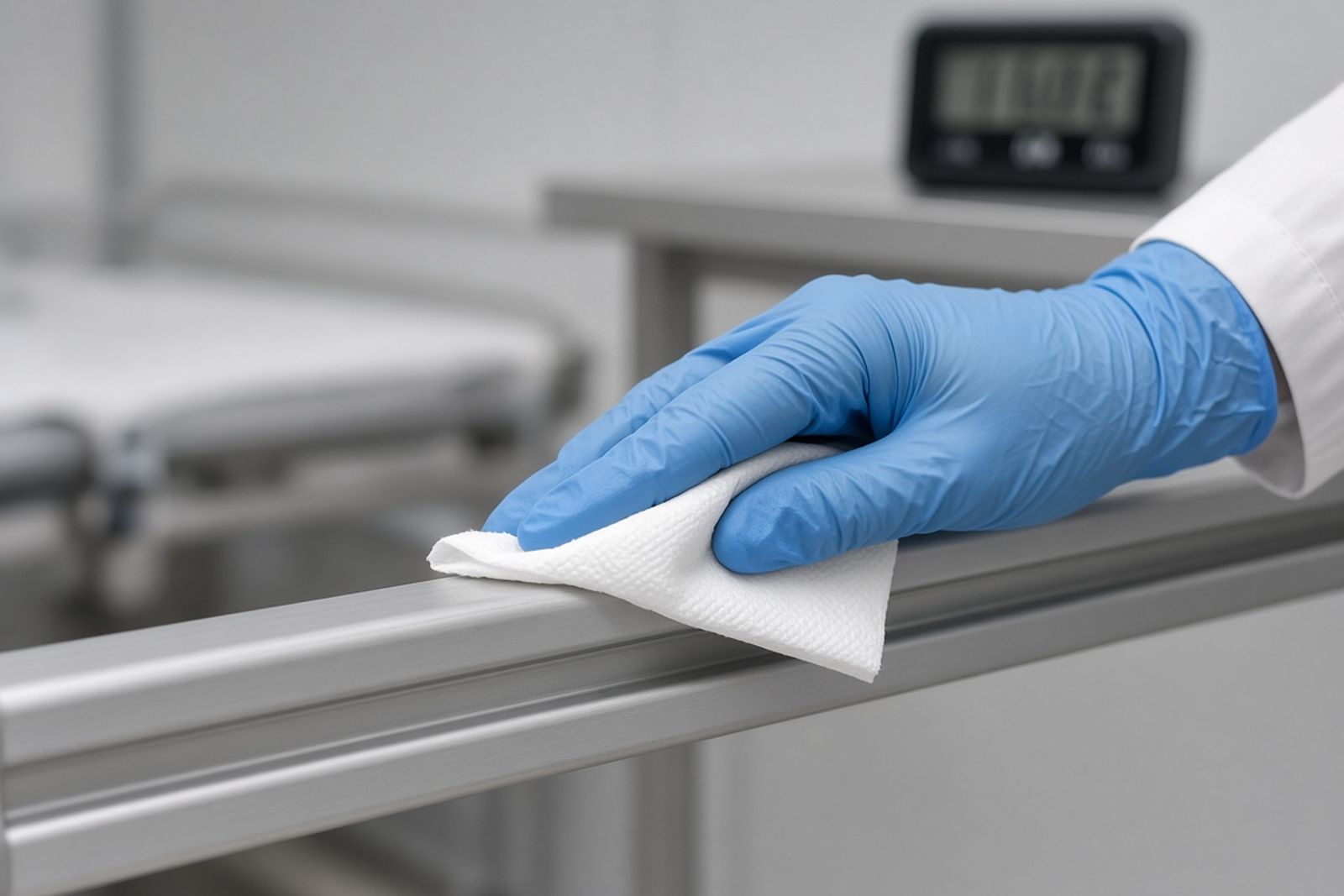
Emergency Vehicle Decontamination services
Learn how deep cleans of ambulances, fire trucks, and police cars are planned. See needle sweeps, choices about soft items, and records by unit number.
Costs explained
What drives the price, published cost ranges, and how to read a written quote line by line.
Insurance and payment
Which policies may respond, how to document a claim, and what to do if coverage is denied.
Planning tools
Guided planners for fleet managers. Get cost ranges, vendor checks, insurance steps, first-day actions, waste sorting, and in-house versus vendor risk.
Community polls
See how other EMS, fire, and police fleets handle time pressure, new soft items, records, and product choices in their own bays.
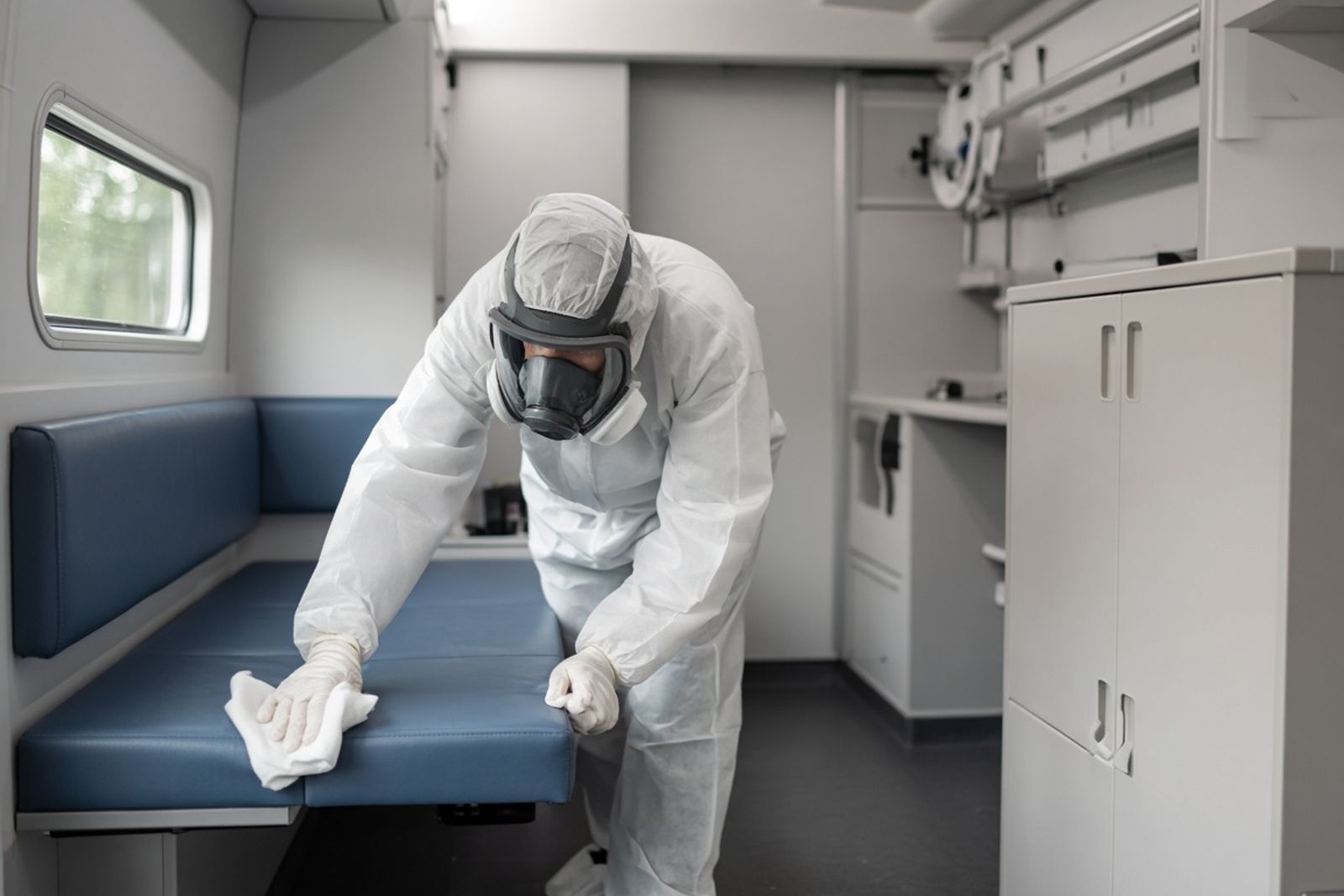
Knowledge quiz
Test what you know about cabin hazards, who pulls a unit from service, containment, contact time, waste, and cleaning records before the next hard call.